

India notifies new standards for 30% ethanol blending in petrol
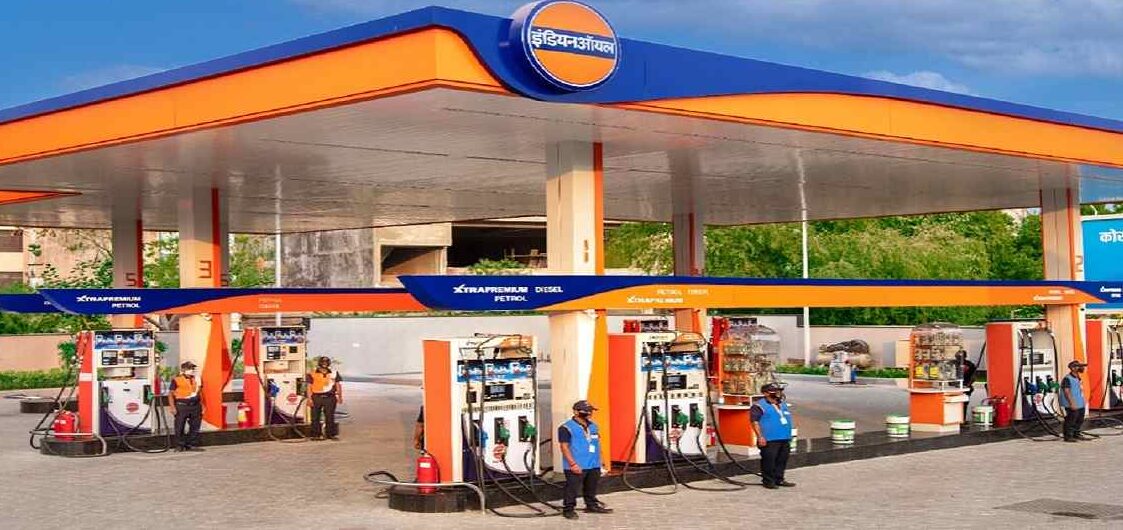
Amid rising global energy concerns, the Union government has introduced new fuel standards permitting ethanol blending in petrol up to 30%. The move comes against the backdrop of geopolitical tensions in West Asia, particularly the ongoing US-Israel conflict with Iran, which has heightened concerns over crude oil supplies and prices.
In the notification issued, the Bureau of Indian Standards (BIS) outlined specifications for higher ethanol-blended fuels, signalling India’s intent to move beyond its current E20 programme. The new norms cover E22, E25, E27 and E30 blends—indicating petrol mixed with 22%, 25%, 27% and 30% ethanol, respectively. However, the notification is limited to technical standards and does not mandate immediate nationwide rollout of E30 fuel.
Over the past few years, the government has actively promoted E20 fuel, though concerns have been raised about its impact on fuel efficiency and compatibility with older vehicle engines, potentially increasing maintenance costs for users. Addressing such apprehensions, the government has stated that no cases of engine failure linked to E20 fuel have been reported so far. It has also cited Brazil’s long-standing use of E27 fuel without significant issues.
The push for higher ethanol blending has gained urgency following disruptions in global oil supply chains. The Strait of Hormuz—through which nearly 20% of the world’s oil passes—has faced closure risks, prompting India to accelerate efforts to reduce dependence on crude imports and enhance ethanol utilisation.
Industry stakeholders and bodies have regularly pushed the government for higher ethanol blending. The Grain Ethanol Manufacturers Association (GEMA) had urged the Centre to take the next step in India’s biofuel journey by increasing ethanol blending in petrol beyond the current 20 per cent level. The Indian Sugar and BioEnergy Manufacturers Association (ISMA) demanded the government to urgently revise ethanol procurement prices and raise the blending.
Automobile manufacturers, however, have highlighted pricing challenges. They argue that higher ethanol blends such as E85 and E100 will only gain traction if priced significantly lower than conventional fuels, especially to encourage adoption of flex-fuel vehicles.
Experts have cautioned that scaling up ethanol blending beyond current levels may require policy trade-offs, including potential restrictions on sugar exports, given the reliance on sugarcane for ethanol production.
Overall, the new standards mark a significant step in India’s long-term strategy to diversify its energy mix and reduce vulnerability to global oil market fluctuations.