

FOOD VS FUEL: Ethanol pushing up eggs prices?
The industry data holds that the egg prices rise nearly 40% as maize diversion for ethanol has tightened poultry feed supply.
Egg prices in India have climbed by around 35-40% over the past year, with rising maize demand from the ethanol industry emerging as one of the factors putting pressure on poultry feed costs. Prices could increase further in the coming months as winter typically brings stronger egg consumption.
According to industry data, farm-gate egg prices are currently around Rs 7 per egg, while retail prices have reached Rs 8.50-Rs 9. The National Egg Coordination Committee has linked the sharp increase partly to higher poultry production costs.
Ethanol competes with poultry for maize
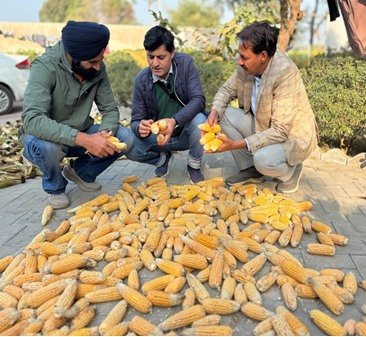
Maize is a major component of poultry feed and accounts for roughly 65-70% of poultry production costs. However, the crop is increasingly being diverted to ethanol production as India expands its Ethanol Blended Petrol programme and has achieved the E20 blending target.
Around 37% of India’s maize production is now estimated to be going to ethanol distilleries. As more maize is absorbed by the fuel industry, poultry producers are facing tighter supplies and higher feed costs.
Maize prices have risen sharply, from around Rs 14,000 per tonne three years ago to nearly Rs 26,500 per tonne currently. The increase has squeezed poultry farmers’ margins and contributed to higher prices for eggs and other poultry products.
India’s maize-based ethanol production has also expanded rapidly. Production increased from about 1 million tonnes in 2022 to more than 6 million tonnes in 2024, and has now reached around 17 million tonnes. Maize consumption for ethanol could rise to approximately 25 million tonnes by 2030, potentially intensifying competition between the fuel and poultry sectors.
Winter demand could add pressure
The poultry industry consumes a significant share of India’s maize, while ethanol producers are becoming another major buyer. With egg consumption usually increasing during winter, higher seasonal demand could add further pressure to prices.
However, ethanol diversion is not the sole reason for the increase. Maize production, weather conditions, crop arrivals, storage, trade flows, poultry flock sizes, disease and the cost of other feed ingredients also influence egg prices.
The price trend highlights a growing policy challenge: balancing India’s push for ethanol-based energy security with the availability and affordability of agricultural commodities for food and animal feed.