

Chhattisgarh adopts new biogas policy; clears Rs 4,000cr rural jobs scheme
The newly adopted policy by the State Cabinet aims for an estimated annual production of nearly 5 lakh tonnes of compressed biogas by 2047.
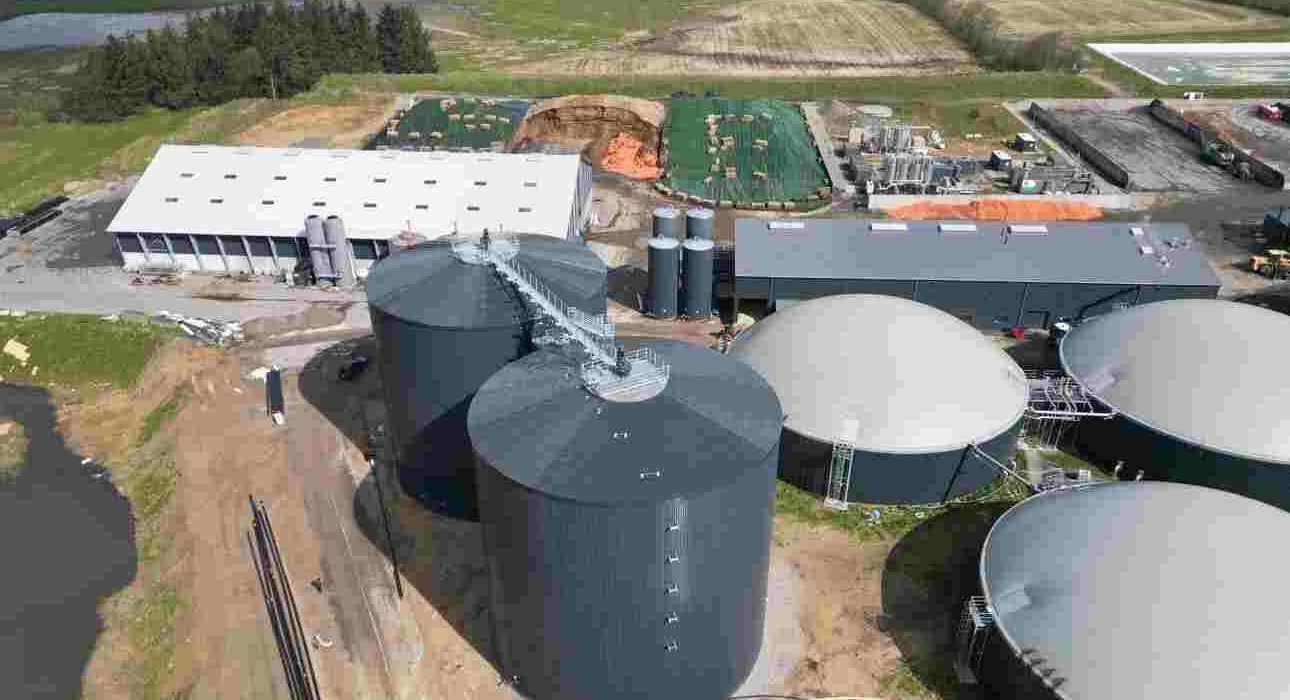
In a major push toward sustainable development and rural economic transformation, the Chhattisgarh Cabinet under the leadership of CM Vishnu Deo Sai has approved a comprehensive Compressed Biogas (CBG) Policy alongside a Rs 4,000-crore rural employment scheme for 2026–27.
The newly approved Chhattisgarh Compressed Biogas Policy (CG-CBG Policy), 2026 marks the state’s first dedicated framework to promote clean biogas production from agricultural residue, cattle dung and municipal solid waste (MSW).
The biogas policy aims to position Chhattisgarh as a key player in India’s green energy transition, with an estimated annual production target of nearly 5 lakh tonnes of compressed biogas by 2047. The Chhattisgarh Biofuel Development Authority will be the state nodal agency for the implementation of the policy.
Officials held that the initiative will serve multiple objectives—scientific waste management, reduction in greenhouse gas emissions and creation of new income streams for farmers and rural entrepreneurs. By incentivising the conversion of organic waste into biogas, the policy aligns with the state’s long-term ‘Anjor Vision-2047’ for sustainable growth.
Key Announcements
Complementing the energy push, the Cabinet also approved the “Viksit Bharat–Rozgar aur Aajivika ke liye Guarantee Mission (Rural)” (VB-G Ram Ji scheme), which guarantees 125 days of wage employment annually to eligible rural households engaged in manual work. The scheme carries an outlay of ₹4,000 crore for the next financial year, with funding shared between the Centre and the state in a 60:40 ratio.
To further strengthen rural livelihoods, the government cleared the Atal Aajivika Samriddhi Haat Scheme, which will establish integrated rural hubs for processing and marketing products such as handlooms, handicrafts, dairy goods, and agricultural produce. Facilities like rice mills, cold storage units, and solar dryers will be developed under the initiative.
With this combined approach, Chhattisgarh is seeking to link livelihood security with environmental sustainability, positioning rural communities at the centre of its development agenda.