MADHYA PRADESH: BPCL develops district-level CBG ecosystem in Satna
The initiative is part of BPCL’s “The Good Print Solution for the Nation,” a decentralised model aimed at converting locally available waste into clean energy and utilising it within the same geographical ecosystem.
The state owned Bharat Petroleum Corporation Ltd (BPCL) has developed Satna as a district-level gas ecosystem by converting locally generated waste into Compressed Biogas (CBG) and using the renewable fuel to meet the energy requirements of domestic and commercial PNG consumers as well as CNG-powered vehicles.
The initiative is part of BPCL’s “The Good Print Solution for the Nation,” a decentralised model aimed at converting locally available waste into clean energy and utilising it within the same geographical ecosystem.
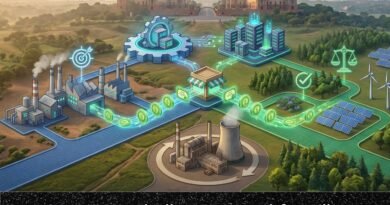
Under the model, waste generated in and around Satna is processed to produce biogas, which is subsequently upgraded into CBG. The renewable gas is then supplied through the existing gas distribution infrastructure, creating an integrated value chain linking waste generation, CBG production, distribution and end-use within the district.
The Satna model also highlights the potential of CBG beyond its conventional application as a transport fuel. Locally produced renewable gas is being supplied to domestic and commercial PNG consumers while also being used by CNG-powered automobiles.
According to BPCL, the company is further strengthening the CBG value chain through partnerships with producers across the country. These partnerships are aimed at establishing a reliable and scalable supply base for renewable gas and integrating it more extensively into BPCL’s City Gas Distribution (CGD) network.
“By connecting producers with multiple consumer segments through existing infrastructure, BPCL is working towards creating a wider market for renewable gas,” the company said.
More than 7 per cent CBG is currently being blended across BPCL led CGD operations in India, with the share expected to increase as additional CBG plants become operational and the producer network expands.
BPCL said the Satna model demonstrates how waste management, energy generation and end-use can be integrated within a single geography. The approach could potentially be replicated in other suitable regions, supporting wider adoption of CBG and contributing to a more circular and decentralised energy system.
The initiative is part of BPCL’s broader efforts to promote renewable gas by connecting waste-based CBG production with existing gas distribution infrastructure and diverse consumer segments. Moreover, BPCL has partnered with GPS Renewables to build nationwide CBG plants, initially focusing on high-biomass states like Uttar Pradesh, Bihar, Punjab, Odisha and West Bengal.