
Farm Waste To Power India’s SAF Moment
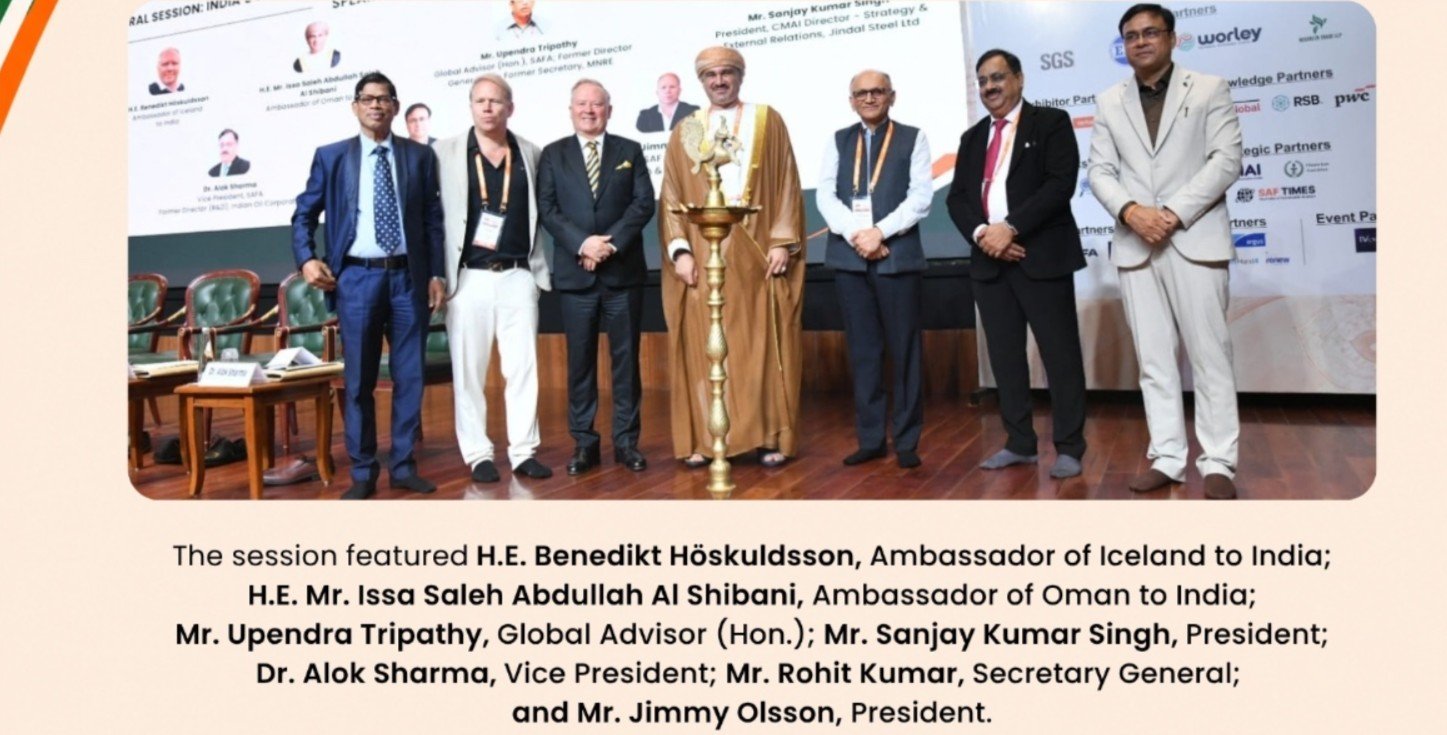
India has committed to reaching net-zero emissions by 2070, and aviation, one of the fastest-growing and hardest-to-decarbonize sectors, will be central to that journey. As air travel expands, Sustainable Aviation Fuel (SAF) is emerging as the most practical near-term lever for cutting aviation’s emissions without replacing aircraft or airport infrastructure. It is also a rare climate solution that can reach the countryside: the crop residues, used cooking oil and other biomass that feed SAF production can create a new income stream for farmers and give agricultural waste a productive use. That dual promise framed the second day of the India SAF Summit 2026 at Bharat Mandapam, New Delhi, where airlines, refiners, financiers, technology developers and policymakers worked through the practical questions of who will produce SAF, who will buy it, how it will be certified and who will fund it. The day followed the September 28 opening, which set the policy context for these discussions.
From Farm Waste to Flight Fuel: The Climate, Carbon and Rural Case
The opening session, on powering the SAF transition, presented SAF as more than an aviation issue. Speakers linked it to lifecycle emission cuts that support aviation’s net-zero goals, and to the carbon economy, where credible measurement and certification can create tradable value. They also stressed its rural dimension: agricultural residues and other biomass could give farmers additional income while turning waste into fuel.
Trust Is the Currency: Building a Credible SAF Market
The session “From Mandates to Markets” examined SAF standards, certification, measurement, reporting and verification (MRV), and market access. Panellists argued that Indian SAF will compete globally only if its sustainability credentials are internationally recognised and its carbon accounting is transparent. Interoperable Book and Claim systems were highlighted as a way to let fuel and its environmental attributes be traded across borders.
From Refinery to Runway: Getting Buyers and Producers on the Same Page
“From Demand to Deployment: SAF Procurement, Infrastructure and Partnerships” brought together participants including Indian Oil Corporation Limited (IOCL), S&P Global, British Airways and SpiceJet. The discussion covered long-term offtake agreements, which give producers the revenue visibility lenders look for, and how airlines can align procurement with regulatory timelines. Speakers also addressed the blending, storage and logistics infrastructure needed to move SAF from refinery to runway, and the role of price discovery and market intelligence in building buyer and seller confidence. The consensus was that no single player can scale SAF alone, and that partnerships across refiners, carriers, feedstock suppliers and international stakeholders will set the pace.
Show Me the Money: Where Capital Meets Projects
The SAF Project Showcase gave developers a platform to present projects to investors and lenders, aiming to improve market readiness and direct capital toward viable pipelines. The SAFA Matchmaking session followed, connecting capital providers, buyers and project developers in direct meetings designed to turn introductions into deals.
The Next Frontier: Power-to-Liquid, eFuels and Beyond
A forward-looking session explored advanced feedstocks, new production pathways and emerging technologies, including Power-to-Liquid (PtL), eFuels and carbon capture. Experts said current pathways will carry the first wave of growth, while sustained R&D and early deployment will be needed for long-term scale and supply security.
Partnerships in Action: Honours, MoUs and Shared Knowledge
The program included a felicitation of industry contributors, an MoU exchange and a knowledge exchange with the SAF Association (SAFA), reflecting the summit’s emphasis on partnerships and on aligning India’s ambitions with international sustainability goals.
Making the Mandate a Catalyst: The Industry Voice
Rohit Kumar of the SAF Association said: “As the leading industry body to power the SAF transition together, SAF Association’s role is to connect policy with industry action, supporting policymakers in creating the right ecosystem for SAF while enabling industry to invest, innovate and scale. Our objective is clear: to help build a globally competitive SAF ecosystem and make the mandate a catalyst for growth and net-zero aviation.”
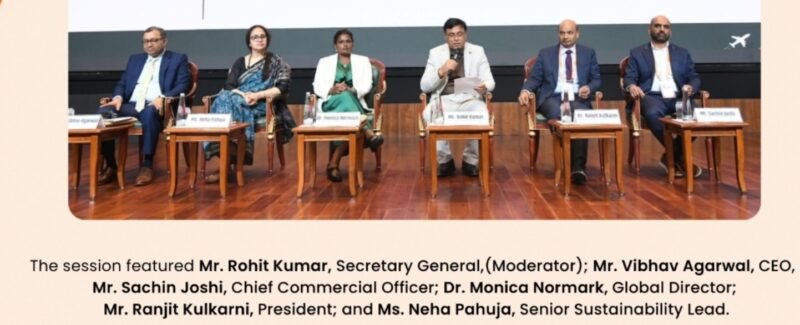
Charting the Course: India’s SAF Roadmap to 2030
The valedictory session, “India SAF Roadmap 2030: Turning Mandates into Action,” drew together the day’s discussions and outlined priorities for the coming years. The India SAF Awards 2026 concluded the day, recognizing organizations and individuals driving the country’s SAF progress.