
AIDA says India’s ethanol supplies reach 987 crore litres in September
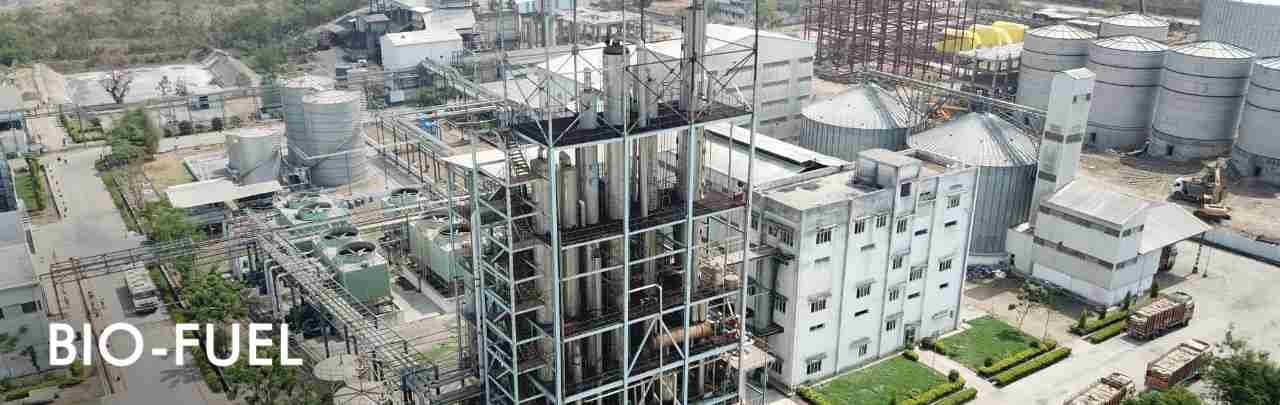
The latest data released by the All India Distillers’ Association (AIDA) has held that India’s ethanol blending programme continued to gain momentum, with cumulative ethanol supplies to OMCs reaching 987 crore litres by the end of September 2026, driven largely by grain-based feedstocks.
The supplies accounted for 82.5% of the 1,197 crore litres contracted for Ethanol Supply Year (ESY) 2025-26. AIDA held that the grain-based feedstocks contributed 705 crore litres which makes it 71.4% of the total receipts. This shows the growing role of grain in meeting the country’s fuel ethanol demand.
Gain Through Grain
Maize emerged as the largest contributor, supplying 413 crore litres, followed by surplus rice from the Food Corporation of India (FCI) at 222 crore litres and damaged foodgrains at 70 crore litres. Together, these figures underline the increasing importance of grain-based ethanol production in strengthening domestic fuel supplies.
According to AIDA, the use of multiple grain-based feedstocks reflects the industry’s expanding processing capacity and its ability to utilise different agricultural resources. This diversification is also helping build a more flexible supply chain for India’s ethanol blending programme.
Sugar-based feedstocks, including sugarcane juice and molasses, supplied 282 crore litres against an allocation of 289 crore litres, achieving a supply fulfilment rate of 97.6%. Supplies from both B Heavy and C Heavy molasses also demonstrated the ability of sugar mills to meet their contracted commitments.
Bharati Balaji, deputy DG of AIDA, informed that the latest figures reflected the growing maturity of India’s ethanol ecosystem. She noted that cumulative supplies had crossed the 980-crore-litre mark, with grain-based sources accounting for more than 71% of total receipts and sugar-based feedstocks delivering nearly 98% of their allocated volumes.
Greater utilisation through flex-fuel vehicles (FFVs), sustainable aviation fuel (SAF) and compressed biogas (CBG) could create additional growth opportunities for the bioenergy industry, while supporting agricultural value chains across the country, she added.
The government has held that the ethanol blending program has saved more than Rs 1.59 lakh crore in foreign exchange, and directed Rs 1.18 lakh crore in payments to farmers and distilleries. As the controversy over ethanol based energy security rages on, PoNG Minister Hardeep Singh Puri recently held that the Centre will conduct a thorough review of the national ethanol blending programme before considering any higher targets.