Govt assures safety of vehicles running on ‘Ethanol-Blended’ petrol
The Ministry of Petroleum and Natural Gas has said that ethanol is not just sugarcane juice mixed with petrol; but produced through industrial processes ensuring it meets stringent quality standards before blending.
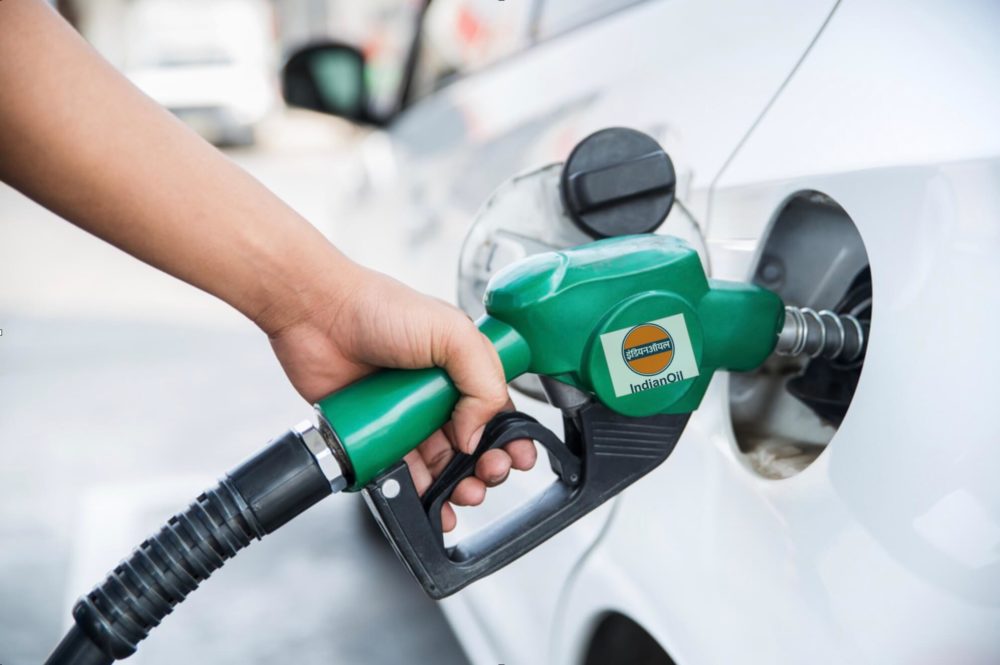
The Central Government has clarified that ethanol-blended petrol (EBP), including E20 fuel, is safe for vehicles and does not impact the validity of motor insurance claims. The statement comes in response to growing concerns regarding the effects of ethanol-blended fuel on vehicle performance and safety.
The Ministry of Petroleum and Natural Gas has said that ethanol blending is a globally accepted practice, already in use in countries such as the United States, Brazil and Japan. It reassured consumers that using ethanol-blended petrol will neither damage engines nor invalidate insurance coverage or claims.
The government further noted that since the rollout of E20 petrol, there have been no widespread reports of engine failure or breakdowns linked to ethanol blending. Vehicle performance continues to be closely monitored in collaboration with automobile manufacturers, oil marketing companies and testing agencies.
Addressing misleading claims, the ministry clarified that ethanol is not simply sugarcane juice mixed with petrol. Instead, it is produced through established industrial processes such as fermentation and distillation, ensuring it meets stringent quality standards before blending.
Centre said that ethanol is derived from feedstocks including sugarcane juice, molasses, maize and broken rice, but its final composition is significantly altered through processing.
The Ethanol Blending Programme has contributed significantly to reducing India’s dependence on crude oil imports, saving over Rs 1.4 lakh crore in foreign exchange. It has also boosted demand for agricultural produce, supporting farmers and strengthening the rural economy.
The ministry added that modern vehicles are equipped with safeguards to prevent issues such as water contamination, which can affect any fuel type. Consumers have been urged to rely on verified information rather than unsubstantiated claims.
Meanwhile, BMW Group India has expressed support for the initiative, noting that its vehicles are compatible with up to E25 fuel, underscoring the industry’s readiness for India’s transition toward cleaner, sustainable mobility solutions.