Kochi plans plastic-to-fuel project to manage waste conundrum
The proposed plastic to fuel facility could convert discarded plastics into pyrolysis oil, combustible gases and carbon through high-temperature treatment in a sealed chamber.
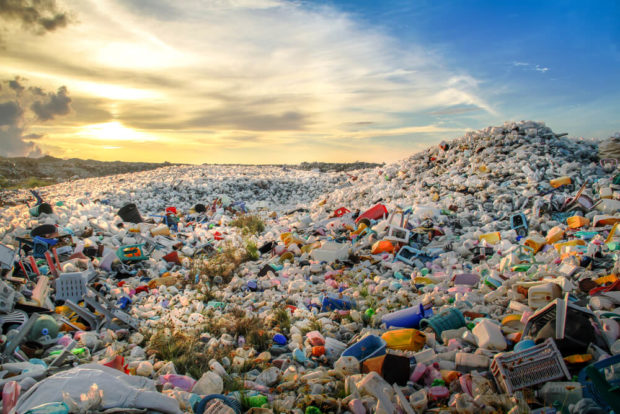
Kochi Municipal Corporation is exploring the possibility of establishing a plastic pyrolysis plant at Brahmapuram to convert the city’s growing plastic waste into fuel to strengthen waste management infrastructure in the capital city.
The proposed plastic to fuel facility could convert discarded plastics into pyrolysis oil, combustible gases and carbon through high-temperature treatment in a sealed chamber. While the technology offers a potential alternative to conventional plastic disposal, further evaluation would be required to determine the suitability of the resulting fuels for applications such as industrial energy generation or ethanol production. Pyrolysis oil is not ethanol and would require separate processing to produce transport-grade fuels.
As per one estimate, Kochi generates around 600 tonnes of waste daily, of which 60–70 tonnes comprise plastic. However, door-to-door collection efforts cover only about 30 tonnes of plastic waste per day, according to preliminary estimates by the corporation.
Although the Brahmapuram master plan provides land for a waste-to-energy plant, the corporation is considering plastic-to-fuel technology as an alternative. The proposal remains under discussion and has yet to be presented to the municipal council.
Currently, plastic waste collected weekly across the city’s divisions is processed by private companies. Restrictions on transporting municipal solid waste elsewhere have increased the urgency of developing local treatment facilities.
The corporation is also planning a windrow composting plant at Brahmapuram, targeted for completion within the current financial year. As per reports, its previous budget allocated Rs 40 crore for waste management facilities, including composting and plasma gasification projects.
Among the already developed projects, CSIR–IIP Dehradun & GAIL have planned a 1-ton pilot plant to support the Swachh Bharat mission and produce fuels from plastic waste. Similarly, Institute of Chemical Technology with the Department of Science and Technology have created ICT–Poly Urja in Mumbai that has achieved 85% conversion of polyolefin-rich plastic waste into usable hydrocarbon oil.