Korean Utilities 6.4 Million Tonnes of Cookstove Credits Hide A Bigger Problem
Seven South Korean power and energy public enterprises have accumulated 6.4 million tonnes of carbon credits from cookstove projects in developing countries whose climate benefit is now widely disputed. The figures were given to a National Assembly lawmaker and reported by the Kyunghyang Shinmun on 28 October.
About 2.92 million tonnes are already certified through October. The total adds 2.5 million tonnes expected from a new Bangladesh contract signed this year by Western Power, and nearly 957,000 tonnes expected later by Midland Power. The companies include KEPCO, Korea District Heating Corporation, Midland, Southern, Southeast, East-West and Western Power.
Why the stoves were attractive
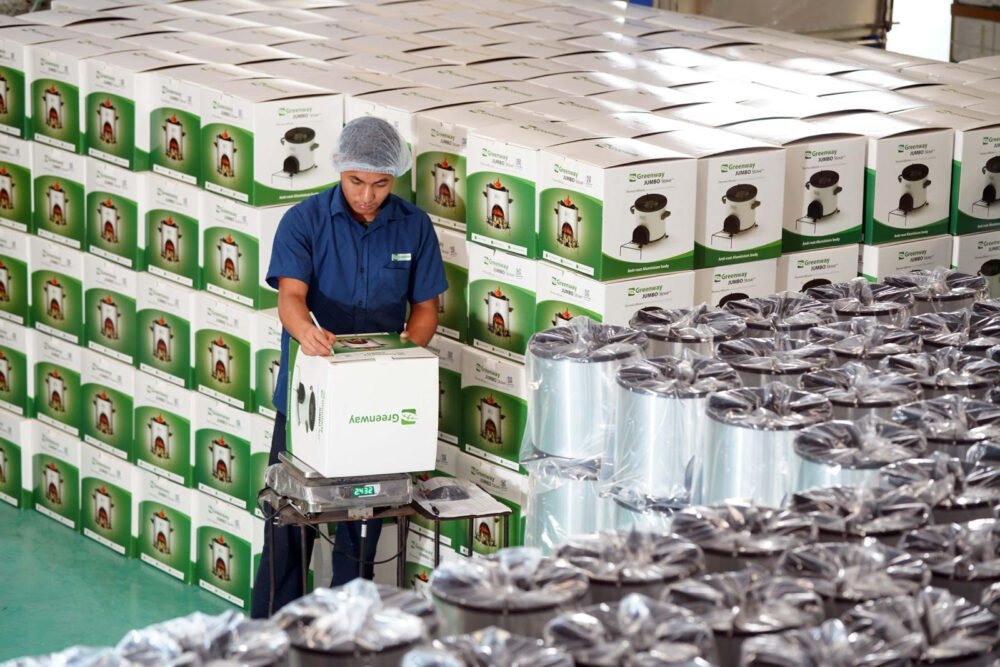
The economics explain the appetite. A basic stove can cost as little as $2 and can generate two to four tonnes of credits a year, against an average Korean allowance price of about $15 a tonne. Campaigners say the credits are used for compliance under the domestic emissions trading scheme without any separate quality re-verification.
The numbers keep shrinking
The weakness is long-running. Critics say cookstove projects overestimate how much of the wood burned is non-renewable, which inflates the avoided emissions. In March, the supervisory body of the UN’s Article 6.4 mechanism cut the credited reductions for a Myanmar project involving KEPCO and Southeast Power from about 1.1 million tonnes to about 640,000, a fall of roughly 40%.
Carbon Market Watch went further. It looked at whether stoves were actually used and whether families kept cooking on traditional hearths as well, and estimates the real reduction at around 90,000 tonnes. On that method, KEPCO’s credited 53,000 tonnes shrinks to about 4,400. Midland Power’s 1.81 million tonnes credited in Bangladesh for 2021–22 comes to roughly 250,000. KEPCO and Southeast Power have stopped new cookstove projects. Others have not, and Western Power’s new Bangladesh deal is the largest single addition. Lawmaker Lee Hak-young has asked the government to set standards for international mitigation projects.
The other side of the market
On the same day, Malawi and Switzerland approved a clean cooking project aiming for nearly 1.8 million credits by 2030 under Article 6.2 of the Paris Agreement. The case for funding clean cooking with carbon finance is strong. RMI estimates 2.3 billion people still cook on wood, charcoal, coal or kerosene, with serious exposure to fine particulate pollution. The dispute is over how many tonnes each stove saves, not whether stoves matter.
What it means for India
India has already made one cautious call. In September 2025 it removed clean cookstoves from its Article 6 positive list, cutting it from 14 activities to 13. India’s design guards against the risk of such wide reassessments. Under the Carbon Credit Trading Scheme, offset credits are voluntary and, as of 2025, cannot be used by obligated industrial entities to meet their intensity targets. That keeps cheap offsets out of compliance. The Bureau of Energy Efficiency administers the offset mechanism, accredited agencies must verify reductions, and eight offset methodologies were approved in March 2025.
The risk is that the rule changes. Pressure to allow offsets into compliance for flexibility or price relief is a familiar one in carbon markets. For Indian project developers, the lesson is to expect credits to be tested on usage data and not only distribution counts, and to price in downward revisions of the kind that hit the Myanmar project. For buyers and lenders, the Korean case is a warning that a credit is only as strong as its weakest assumption.