RECYKAL Invests 100Mn In Walbha Industries Transition To Biomass
- The partnership will connect Walbha's biomass production with Recykal's enterprise network of more than 620 brands and manufacturers, many of which operate industrial boilers as part of their production processes, creating an immediate demand channel for Walbha's biomass fuel.
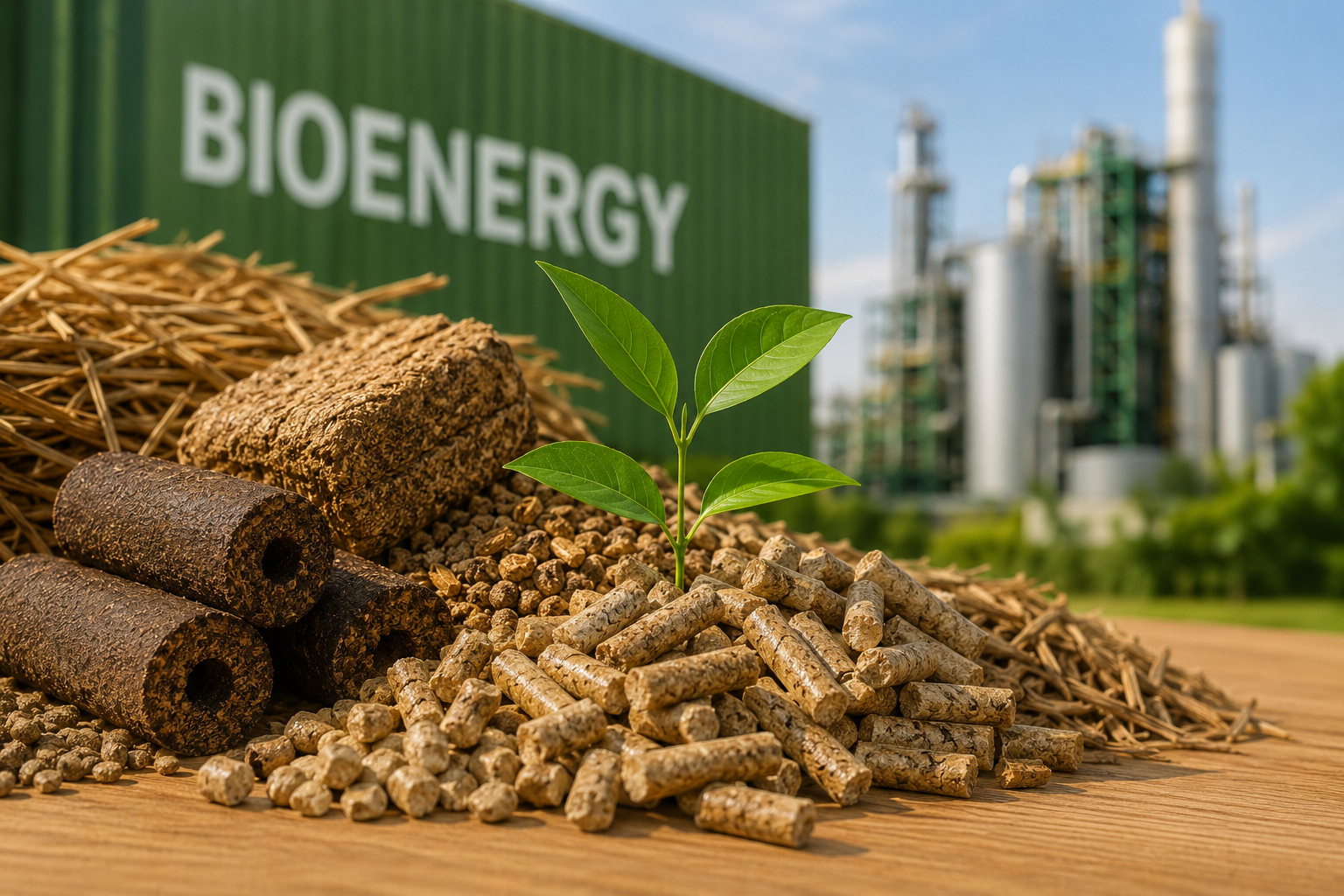
Recykal, a circular economy company, has invested Rs. 100 million in Walbha Industries Pvt. Ltd., a leading manufacturer of biomass briquettes and pellets, marking its entry into the bioenergy value chain.
In a press release, Recykal said the investment expands its mission beyond waste management to transforming how India produces, consumes, and recovers resources. The company aims to support industries in shifting from fossil fuels to clean, farm-sourced biomass while providing farmers with a remunerative alternative to burning crop residue.
The partnership will connect Walbha’s biomass production with Recykal’s enterprise network of more than 620 brands and manufacturers, many of which operate industrial boilers as part of their production processes, creating an immediate demand channel for Walbha’s biomass fuel.
Abhay Deshpande, Founder & CEO, Recykal, said: “Every problem we solve at Recykal is ultimately a behavior problem. Consumers littering, brands treating sustainability as paperwork, recyclers operating in cash and opacity, industries burning coal because it’s familiar and have become a habit with time. But habits change when the alternative is easier, transparent, and economically better. Walbha makes the clean fuel choice exactly that for the Indian industry, giving farmers a profitable alternative to stubble burning. That’s behavioral change at both ends of the supply chain.”
In return, Walbha will gain access to Recykal’s technology platform and its expertise in digitising and formalising fragmented supply chains. Meanwhile, Recykal’s brand and enterprise customers will gain access to verified, lab-tested biomass fuel to support their energy transition commitments. The investment will also support Walbha’s planned expansion beyond its current footprint in North and Central India into South Indian markets.
Vaishavi Sinha Bhasin, Co-Founder, Walbha Industries, said: “21,100+ farmers in Bundelkhand now have a verified buyer for crop residue they would otherwise burn in the open. That is what behavioral change looks like at the supply end of the chain and it is why this partnership makes sense.”
Walbha Expands Biomass Manufacturing Footprint
Walbha operates one of the largest covered biomass production plants in North India, located in Jhansi, Uttar Pradesh, in the groundnut-growing region of Bundelkhand, with abundant access to agricultural residues such as groundnut shells, mustard husk, and sawdust.
The company converts these residues into high-calorific-value bio briquettes and pellets, offering a cleaner and more cost-effective alternative to coal for industrial boilers. Its supply network spans more than 50 cities across Uttar Pradesh, Delhi-NCR, Madhya Pradesh, Uttarakhand, Himachal Pradesh, Bihar, Maharashtra, and Chhattisgarh.
Walbha’s plant has a production capacity of 250,000 kg per day, supplies 57 B2B industrial clients, and sources agricultural residue through a network of more than 21,100 farmers. The company is also an active biomass supplier to NTPC Vindhyachal and NTPC Tanda.
Industrial Demand for Biomass Fuels Drives Global Energy Transition
The global transition toward renewable energy has significantly increased industrial demand for biomass fuels. Produced from agricultural residues, sawdust, and other organic materials, bio briquettes and pellets offer lower carbon emissions, improved combustion efficiency, and meaningful cost savings for manufacturing units, power plants, and commercial heating systems.
At its core, Recykal’s work has focused on driving behavioral change by encouraging consumers to adopt responsible waste disposal practices, helping brands move beyond compliance toward genuine sustainability, and enabling recyclers and aggregators to transition from informal, opaque trade to transparent, traceable, and digital supply chains. Its investment in Walbha extends this philosophy to industrial energy by encouraging industries to move away from fossil fuels while giving farmers a viable commercial alternative to open-field crop residue burning.