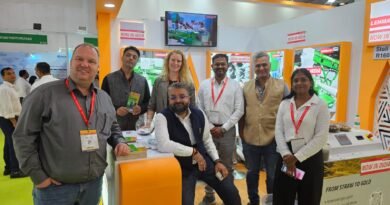

Ankur Scientific clubs with Jain Irrigations to set-up waste-to-energy project in Maharashtra
The Jalgaon bioenergy project will process more than 50 tonnes of agricultural biomass every day to generate ~90 MWh thermal energy and nearly 12 tonnes of biochar vide gasification technology.
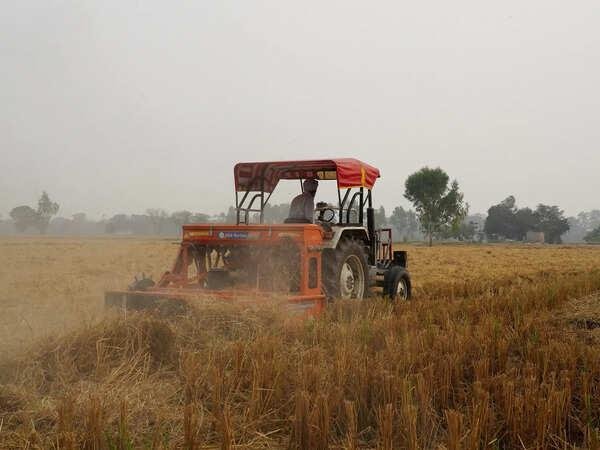
Agricultural conglomerate Jain Irrigation Systems Ltd. has joined hands with waste-to-energy tech maker Ankur Scientific for the deployment of a large-scale agriculture waste-to-energy and biochar conversion project in Jalgaon district of Maharashtra. The project will create a new value chain for local farmers by transforming agricultural residue into a source of income and clean energy.
What makes the project unique is its ability to process multiple agricultural waste inputs (feedstock) including mango seeds, corncob, cotton stalk, bamboo, wood chips, and other biomass residues that are often underutilised or discarded by farmers. Using thermochemical gasification technology, these residues are converted into syngas. Notably, syngas is a clean fuel that can be utilised in industrial thermal applications.
The waste to energy project would also generate biochar which is a high-value by-product that can be used as a soil enhancer, fertiliser input and for several industrial applications depending on the feedstock used.
With the capacity to process nearly 50 tonnes of biomass per day, the waste to energy project is expected to generate approximately 90 MWh of thermal energy in the form of syngas while also producing close to 12 tonnes of biochar daily. Beyond clean energy generation, the initiative is expected to provide farmers with an additional revenue opportunity from farm waste, support sustainable agricultural practices, and contribute towards environmental conservation by reducing open waste burning and promoting circular resource utilisation.
The syngas generated in the waste to energy plant will be utilized for steam generation in food processing applications, while the biochar produced is proposed to replace peat moss in banana sapling cultivation, supporting more sustainable and locally sourced growing media alternatives.
Ankur Jain, MD of Ankur Scientific, said, “Agricultural residues are valuable resources that can generate new income for farmers, produce clean energy for industry, and return carbon back to the soil through biochar. Projects like this demonstrate how a circular rural economy can create value at every stage—from the farm to the factory and back to the field.”
The company recently tied up with global conglomerate Thermax Limited to set up India’s first green methanol production facility at Deendayal Port Authority (DPA), Kandla, Gujarat.