
India’s e-waste recycling to reach $3 billion by 2034: IMARC Report
Besides offering comprehensive view of the segment, the report says that the market is projected to grow at a 6.34% compound annual growth rate (CAGR) between 2026 and 2034.
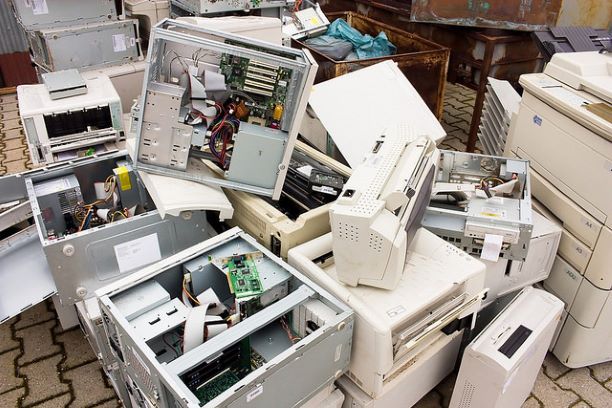
India’s e-waste recycling market is expected to nearly double from $1.7 billion in 2025 to $3 billion by 2034, driven by rising electronic consumption, shorter device lifecycles, stricter regulations and investments in recycling infrastructure, according to an IMARC report. The market is projected to grow at a 6.34% compound annual growth rate (CAGR) between 2026 and 2034.
The rapid expansion of digital infrastructure is making IT and telecommunications equipment a significant contributor to India’s e-waste stream. Computers, servers, mobile phones, networking equipment and storage systems are among the products entering the waste cycle as businesses and consumers replace devices more frequently.
With India’s digital economy continuing to expand, the growth of the e-waste recycling market will increasingly depend on stronger collection networks, responsible reuse and refurbishment, secure data destruction and greater recycling capacity across the technology lifecycle.
Data centres add to e-waste challenge
The growing deployment of data centres is also increasing the volume of retired IT hardware. Servers, GPUs, storage systems and networking equipment can become e-waste when they reach the end of their useful life or are replaced with newer technologies.
However, equipment that remains functional can be refurbished, reused or resold, extending its lifecycle. Hardware that can no longer be deployed can be sent to certified recyclers for component and material recovery.
The report notes that large enterprises, IT companies and public-sector organisations are increasingly using bulk disposal contracts with certified recyclers, providing a more structured alternative to informal disposal channels.
Informal sector remains a major challenge
Despite the expansion of formal recycling, a substantial share of India’s e-waste continues to be handled by the informal sector. Informal scrap dealers often attract consumers by offering immediate payments for discarded electronics.
The challenge is particularly pronounced in smaller cities and semi-urban areas, where formal collection and recycling networks remain less developed than in major urban centres. Smaller recyclers also face high compliance costs related to environmental, safety and reporting requirements, which can limit the growth of certified recycling capacity.
E-waste offers an urban mining opportunity
Beyond waste management, discarded electronics represent a significant source of valuable materials. Copper, aluminium and gold, along with other metals and chemicals, can be recovered through recycling processes.
The report highlights this potential as an “urban mining” opportunity, allowing discarded electronics to serve as a secondary source of valuable materials while reducing pressure on primary resources.