

India’s ethanol programme being fuelled by rice & maize
The government informed the Parliament that Indian distilleries used around 68 lakh tonnes of maize for ethanol production till June-end of the 2025-26 ethanol supply year.
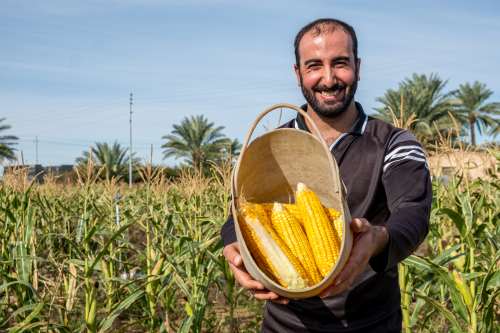
Rice and maize have become the dominant feedstocks for ethanol production in India, with maize overtaking surplus rice supplied by the Food Corporation of India (FCI) under the government’s Ethanol Blended Petrol (EBP) programme.
According to data shared by the Ministry of Consumer Affairs, Food and Public Distribution in the Lok Sabha, distilleries used around 68 lakh tonnes of maize for ethanol production till June-end of the 2025-26 ethanol supply year (October-September).
In comparison, just over 54 lakh tonnes of FCI’s surplus rice and damaged foodgrain, including broken rice, were used during the same period. Two months of the current ethanol supply year remain, the government said.
The data highlight the rapid growth in maize-based ethanol production over the past few years. No maize was used for ethanol during the 2020-21 and 2021-22 supply years. Its use began at 8.3 lakh tonnes in 2022-23 before surging to 75.4 lakh tonnes in 2023-24 and reaching a record 131 lakh tonnes in 2024-25. During the same year, a little over 50 lakh tonnes of surplus FCI rice and broken rice were diverted for ethanol production.
The ministry said expanding the feedstock base to include sugarcane juice, B-heavy and C-heavy molasses, maize, damaged foodgrains and surplus FCI rice has reduced dependence on any single crop while promoting agricultural diversification.
It added that the inclusion of maize has created an assured market for farmers and supported better price realisation. FCI supplies surplus rice for ethanol production only after meeting food security requirements and maintaining mandatory buffer stocks. The corporation had suspended rice supplies for ethanol production during the 2022-23 ethanol supply year.