IOCL agrees to build two CBG plants in Delhi
Under an agreement with MCD, the energy major will process 800 MT of fresh waste on everyday basis.
 IOCL, GPS Renewables Join Hands To Setup CBG Plants
The Municipal Corporation of Delhi (MCD) has signed a Memorandum of Understanding (MoU) with Indian Oil Corporation Limited (IOCL) to scientifically process and dispose of 800 metric tonnes of fresh municipal solid waste every day, marking a significant step towards strengthening the city’s waste management infrastructure.
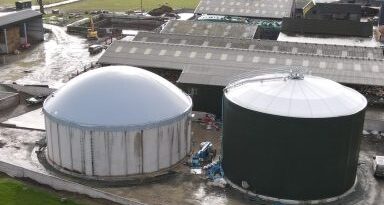
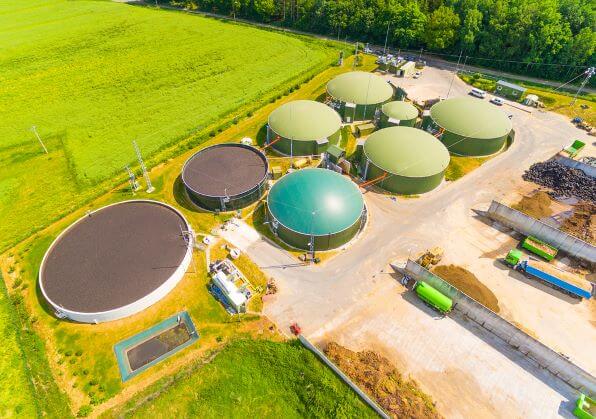
Under the agreement, two Bio-Compressed Biogas (Bio-CBG) plants with a combined processing capacity of 800 tonnes per day (TPD) will be established in the first phase. A 500 TPD plant will be developed on a 10-acre site at Tehkhand, while a 300 TPD facility will come up on seven acres in Okhla. The plants will process segregated organic waste to produce compressed biogas (CBG) and organic fertiliser, reducing the volume of waste sent to landfill sites.
The addition of the new Bio-CBG plants is expected to significantly boost the city’s capacity to scientifically treat wet waste while promoting sustainable waste management practices. As per one estimate, Delhi generates nearly 13,500 metric tonnes of municipal solid waste every day. At present, around 7,500 tonnes are processed through four waste-to-energy plants operated by the MCD and the biogas facility run by Indraprastha Gas Limited (IGL).
Separately, during its House meeting, the MCD approved proposals to demolish two long-defunct garbage transfer stations in the Janakpuri area, along with an unused public toilet located at Chhoti Sabzi Mandi in Janakpuri.
In April this year, MCD said that it has been planning to establish a 300 tonnes-per-day (TPD) CBG plant at the Ghazipur dairy farm. The NDDB might also be developing a 100 TPD biogas plant in north Delhi’s Civil Lines area to address cattle waste management and reduce pollution in the Yamuna River.
Subsequently, Delhi Chief Minister Rekha Gupta unveiled an ambitious plan to establish 13 new gaushalas (cow shelters) across the capital, incorporating biogas plants and solar energy systems as part of a modern “Zero Waste Model.”