
Eni secures €500 million for biofuel making in Italy
The project involves converting cooking oils - animal fats - agri-food waste into hydrotreated vegetable oil (HVO) biofuels.
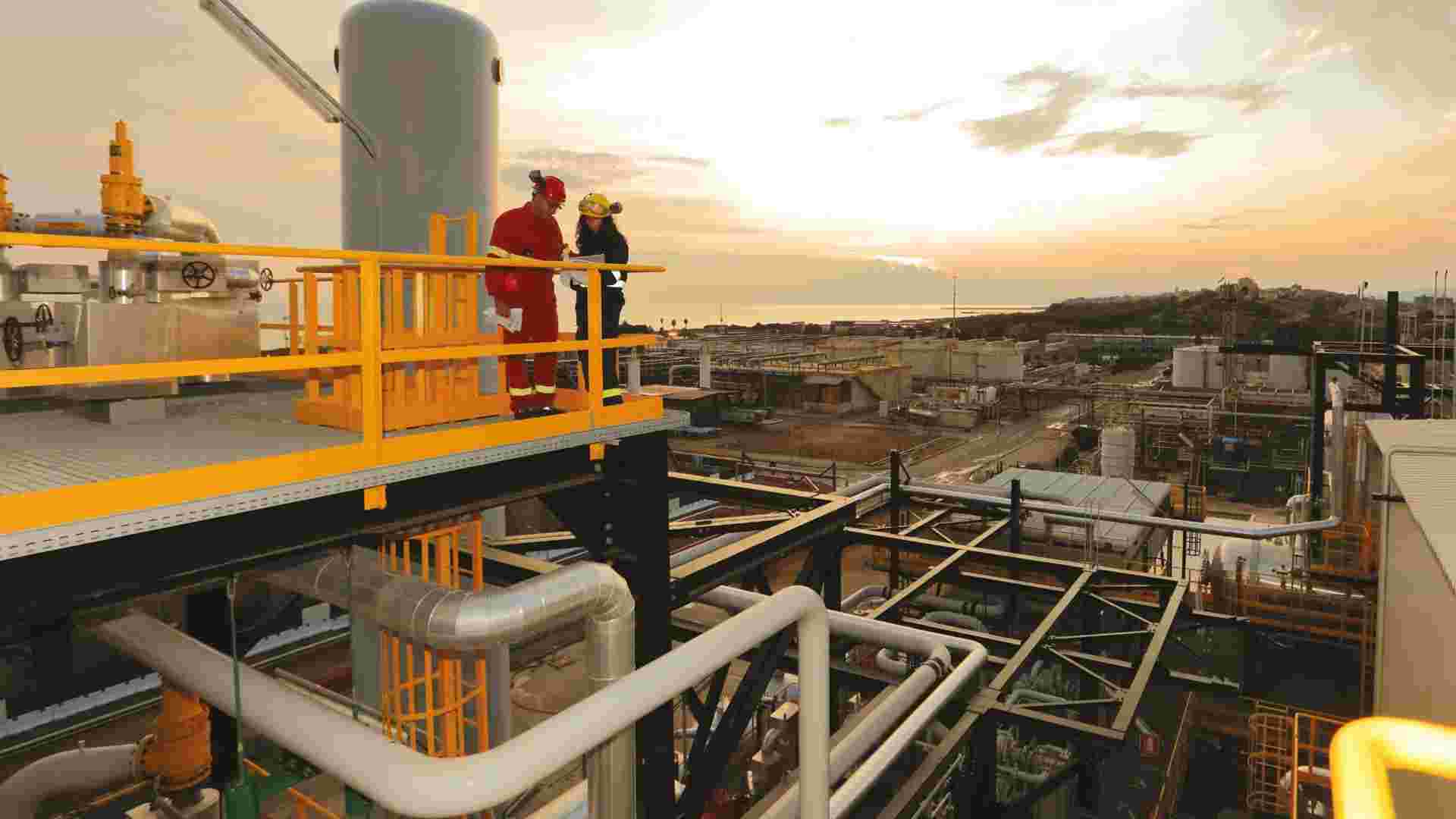
The European Investment Bank (EIB) and global energy firm Eni have signed a 15-year loan for €500 million to convert selected units of Eni’s Sannazzaro de’ Burgondi refinery, located in the Italian province of Pavia, into a biorefinery. The agreement was signed by EIB Vice-President Gelsomina Vigliotti and Eni CEO Claudio Descalzi.
The project involves converting the Italian refinery’s Hydrocracker (HDC2) unit using Ecofining technology, and building a pre-treatment plant for waste materials like used cooking oils and animal fats, as well as waste from the agri-food industry, which comprise the main feedstock used by Enilive (Eni’s company devoted to achieving more sustainable mobility) to produce hydrotreated vegetable oil (HVO) biofuels.
With its proprietary Ecofining technology, Enilive produces HVO – a biofuel made from renewable feedstocks (pursuant to the EU Renewable Energy Directive) such as used cooking oils and waste from the agri-food industry. Pure HVO can be used in approved engines, and is already available at more than 1600 Enilive service stations across Europe.
From 2028, the Sannazzaro plant will start producing HVO diesel biofuels and the sustainable aviation fuel (SAF) biojet, with a production capacity of around 550 000 tonnes per year.
The project follows a €500 million financing agreement signed in July 2025 to convert Eni’s Livorno refinery into a biorefinery. Transforming part of the Sannazzaro de’ Burgondi refinery as well pursues Enilive’s strategic objective: increasing biofuel production capacity to 5 million tonnes by 2030, including over 2 million tonnes of SAF production capacity. Biofuels are currently produced at Enilive’s biorefineries in Venice and Gela, and at the St Bernard Renewables LLC biorefinery in Louisiana in the United States (a joint venture in which Enilive holds a 50% stake).
“This financing represents strategic support for a project with high environmental and industrial value, contributing to the decarbonisation of the transport sector, particularly aviation,” said EIB Vice-President Gelsomina Vigliotti.
Eni CEO Claudio Descalzi added, “We see biorefining and biofuels as a fundamental component to support the progressive decarbonisation of transport – applicable across all segments of the sector, and already well aligned with existing demand. We are the second largest producer of biofuels in Europe and are working on three refinery conversions in Italy. This follows the completion of two others in Venice and Gela, which are already making a major contribution towards a more environmentally sustainable supply for the transport sector.”
Demand for SAF, driven by the blending mandates of the ReFuelEU Aviation Regulation, is expected to grow rapidly from 2030 onwards – underpinning the technical and economic robustness of the initiative and its long-term sustainability.