Punjab CM lays foundation stone for Rs 65-crore CBG plant in Ludhiana
The CBG plant, being developed on 2.5 acres of land provided by the Punjab government, is expected to become operational by September 2027 to process around 300 tonnes of cattle dung every day.
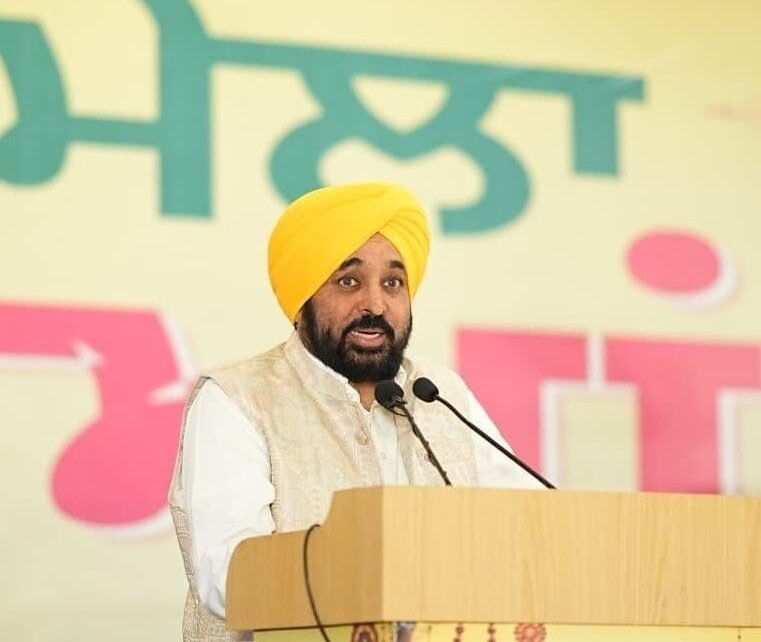
Punjab Chief Minister Bhagwant Mann has laid the foundation stone for a Rs 65-crore compressed biogas (CBG) plant at Haibowal in Ludhiana, marking a major step towards scientific waste management and the promotion of clean energy in the state.
The CBG plant, being developed on 2.5 acres of land provided by the Punjab government, is expected to become operational by September 2027. It will process around 300 tonnes of cattle dung every day generated by dairies in the Haibowal area and is expected to produce approximately five tonnes of CBG and organic bio-fertiliser daily.
The project is aimed at addressing environmental and civic challenges associated with untreated cattle waste. Officials said scientific processing of the dung will help prevent waste from entering the Budha Nallah, potentially reducing pollution and sewer blockages in the area.
Around 435 dairy owners are expected to benefit directly from the project under the state government’s ‘Waste-to-Wealth’ mission. The initiative is also expected to create new employment opportunities while providing an additional avenue for income generation for dairy farmers.
Addressing the gathering, Mann recalled the efforts of former Local Bodies Minister Sanjeev Arora, saying the plant was part of Arora’s vision for the dairy community. The Chief Minister said the facility would turn cattle waste into useful products while supporting green energy and sustainable agriculture.
Mann highlighted the production of organic bio-fertiliser as another key benefit, saying it could help reduce dependence on chemical fertilisers, improve soil health and encourage organic farming.
The Chief Minister also said more CBG plants would be established across Punjab to promote renewable energy and curb pollution. He urged residents to prevent untreated water from entering the state’s water sources.
Mann also highlighted the government’s expansion of canal irrigation infrastructure, noting that 14,000 kilometres of pipes have already been laid, with another 7,000 kilometres planned by the end of the year.
The CBG Story in Punjab
The Punjab Energy Development Agency (PEDA) has allocated 57 CBG projects with a combined capacity of 815-TPD, primarily using paddy straw and other agro-residues. Of these, 6 projects (107-TPD) are operational, while 5 more (37.5-TPD) are expected to begin operations in FY 2026–27. The remaining 46 projects, including 10 each by GAIL and HPCL, are at various execution and clearance stages and are expected to be commissioned within two years. Once operational, the projects will consume around 2.8 million tonnes of paddy straw annually.