
NGT takes cognizance of rising ‘Ozone Pollution’ across India
According to the CPCB report, the Delhi-NCR and Mumbai Metropolitan Region recorded the highest exceedances of permissible ozone concentrations compared to other urban areas.
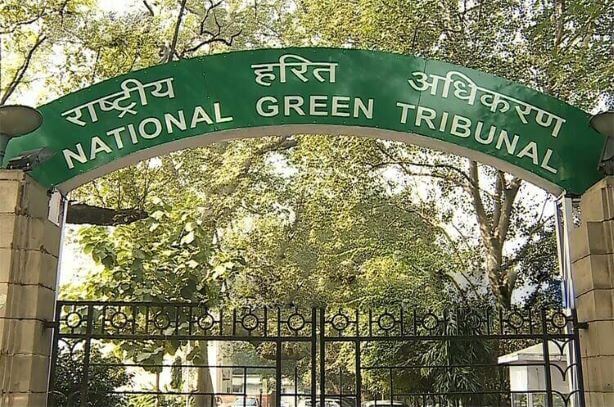
The National Green Tribunal (NGT) has taken suo motu cognisance of a media report revealing a concerning increase in ground-level ozone pollution across several major Indian cities. Acting on a report of the Central Pollution Control Board (CPCB), the tribunal noted that the surge in ozone levels is primarily linked to emissions from the transport sector, thermal power plants, and industrial activities — all major sources of nitrogen oxides (NOx) in the atmosphere.
According to the findings of CPCB, the Delhi-NCR and Mumbai Metropolitan Region recorded the highest exceedances of permissible ozone concentrations compared to other urban areas. The report also pointed out that, apart from human-induced emissions, certain natural processes contribute to ozone precursors. These include the release of biogenic volatile organic compounds, NOx emissions from soil, carbon monoxide from wildfires and methane produced by the biosphere.
In response to the issue, the NGT noted that the CPCB has proposed a detailed study to identify and recommend targeted measures to control ozone formation and its precursors. The Ministry of Environment, Forest and Climate Change (MoEFCC) has suggested forming an expert committee to guide further action.
What is Ozone Pollution?
Ozone pollution refers to the accumulation of “bad” ozone at the ground level in the troposphere — the layer of air closest to the Earth’s surface. Unlike the protective ozone layer in the stratosphere, ground-level ozone acts as a toxic air pollutant and a key component of urban smog. It forms when nitrogen oxides (NOx) and volatile organic compounds (VOCs) from vehicle exhaust, industrial emissions, and other sources react in sunlight. This pollutant is harmful to human health, leading to respiratory issues and lung damage, while also affecting crops, forests, and ecosystems.
Ozone exposure weakens plant growth, reduces agricultural productivity, and disrupts the ecological balance by harming soil microbes, insects, and wildlife.
Rising Measures
As pollution levels continue to breach alarming thresholds in Indian cities, the Delhi Pollution Control Committee (DPCC) has intensified its monitoring drive. Officials have been instructed to inspect 13 identified pollution hotspots and 27 Continuous Ambient Air Quality Monitoring (CAAQM) stations daily across the capital to enhance oversight.
Meanwhile, the Air Quality Index (AQI) in Delhi rose from around 150 to over 220 on Dussehra evening, signalling a sharp deterioration in air quality ahead of Diwali. To address dust-related pollution, the Municipal Corporation of Delhi (MCD) has unveiled a ₹523 crore plan focusing on controlling dust from dumping sites, roads, and construction and demolition (C&D) waste zones.