Trump moves to scrap greenhouse gas limits on coal, gas power plants
According to own analysis of the US Environmental Protection Agency (EPA), the rollback could result in an additional 123 million metric tonnes of carbon emissions over the next decade.
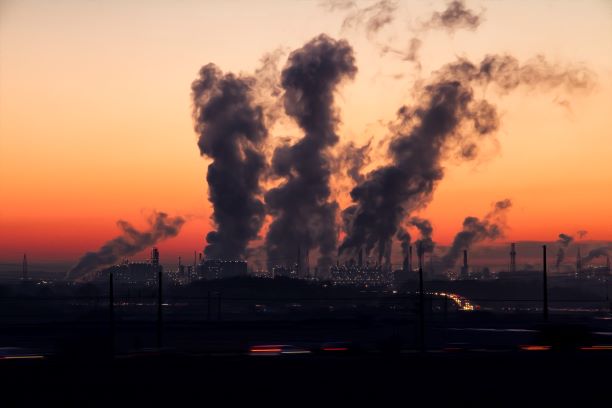
The Federal Administration of the USA has moved to remove federal limits on greenhouse gas emissions from coal- and gas-fired power plants, rolling back a major tool used by the US government to regulate power-sector emissions.
The US Environmental Protection Agency (EPA) has announced that it would relinquish its authority to regulate greenhouse gas emissions from power plants under the Clean Air Act. The move reverses the carbon pollution standards introduced under former President Joe Biden’s administration in 2024.
According to the EPA’s own analysis, the rollback could result in an additional 123 million metric tonnes of carbon emissions over the next decade, while saving power plant operators about $370 million in direct compliance costs.
The agency has also argued that greenhouse gas emissions from power plants have “no material impact on global climate change”. However, electricity generation accounts for about a quarter of US greenhouse gas emissions, according to EPA data.
The latest move follows the administration’s earlier decision to overturn the EPA’s 2009 endangerment finding, which established that greenhouse gases pose a threat to public health and the environment. Many have called approach would protect American energy and lower electricity prices, describing the policy shift as a move away from what he called a war on coal.
Under the Biden-era power plant rules, the EPA had estimated that emissions would fall by around 1 billion tonnes by 2047, while generating approximately $370 billion in net benefits. The agency had also projected that improved air quality would prevent about 1,200 premature deaths and 360,000 asthma attacks in 2035 alone.
The rollback could significantly reduce the federal government’s ability to impose future carbon controls on the US power sector.
The US government’s decision comes as a team from Queen’s University Belfast in the UK has linked exposure to air pollutants—including particulate matter PM2.5 and PM10 and nitrogen dioxide (NO₂)—with an increased risk of suicide and suicidal thoughts.