

Bio-CNG Microgrid: Tata Power shows way for energy independence
At the community level, integrating biogas into the energy mix supports dairy infrastructure such as bulk milk coolers by reducing reliance on diesel and ensuring stable operations.
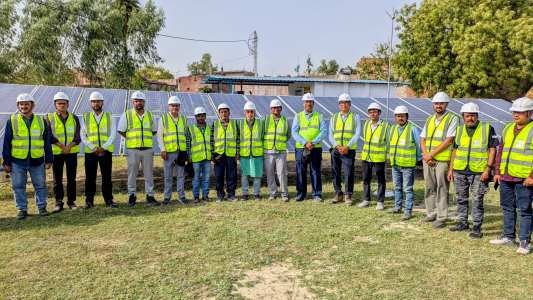
TP Renewable Microgrid, a wholly owned subsidiary of The Tata Power Company Ltd, is advancing rural energy transition in Uttar Pradesh’s Paska Bazar by placing biogas and biofuel solutions at the centre of its integrated clean energy model. The initiative, built around the theme of “Energy Independence of Rural India through Renewable Solar Microgrid and Biogas-based Solutions,” highlights how decentralised bioenergy can complement solar power to deliver reliable, low-carbon energy.
Located in Gonda district, Paska village is home to nearly 2,500 families who have long depended on diesel generators and inconsistent grid supply. With dairy farming as a key livelihood, reliable energy for milk collection and cooling is critical. While the company initially deployed a 30 kWp solar microgrid in 2020—later expanded to 50 kWp—the growing focus is now on leveraging cattle waste and agricultural residues to produce biogas and Bio-CNG.
The project is exploring decentralised biogas systems that allow households to convert cattle dung into clean cooking fuel. A 2 m³ biogas plant installed in Nayab Purwa hamlet demonstrates this approach, enabling a dairy farmer’s family to meet daily cooking needs while reducing dependence on LPG. Such systems also generate nutrient-rich slurry, which can be used as organic fertiliser or sold, creating an additional income stream.
At the community level, integrating biogas into the energy mix supports dairy infrastructure such as bulk milk coolers by reducing reliance on diesel and ensuring stable operations. The broader vision includes scaling Bio-CNG production from agricultural residues, creating a circular rural economy where waste is transformed into energy.
This integrated solar-biogas model not only cuts emissions but also strengthens rural livelihoods, enhances energy security, and promotes sustainable farming practices. TP Renewable Microgrid aims to replicate this approach across rural India, positioning biofuels as a key driver of clean energy access and economic resilience.
Manoj Gupta, CEO, TP Renewable Microgrid, states, “The Paska Bazar microgrid exemplifies how integrated renewable energy can uplift local economies, enhance energy security, and provide a viable alternative to conventional fuels. Our CSR & Sustainability initiatives are driven by a commitment to promoting clean energy and its efficient use for lighting, cooling, and cooking, while also creating livelihood opportunities and fostering awareness of sustainable energy practices within communities. By merging solar power with Bio-CNG, we tackle immediate energy challenges and pave the way for a resilient, self-reliant, and low-carbon future in rural areas.”