
IIT Madras pioneer green method to recover valuable metals from e-waste
The research team explored the use of deep eutectic solvents (DES) — special liquid mixtures made from biodegradable natural substances that can dissolve metals without harming the environment.
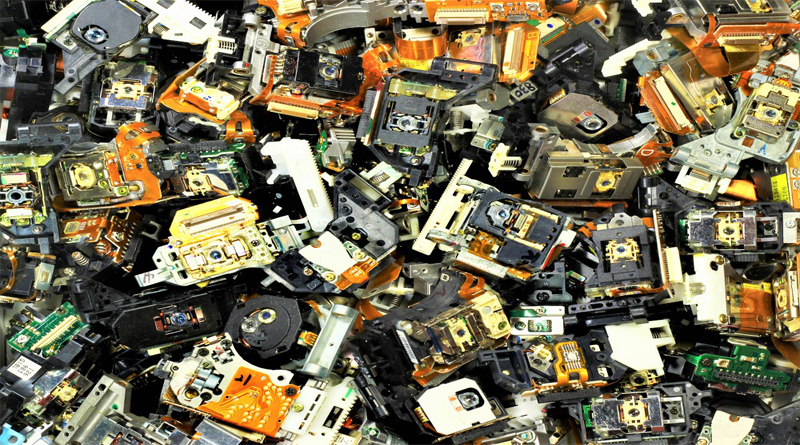 e waste thailand
Researchers at Indian Institute of Technology Madras (IIT Madras) have developed an innovative yet sustainable method to recover valuable metals from electronic waste (e-waste) using environmentally-friendly solvents. As per the official statement, the solvents have been derived from natural compounds.
IIT Madras team explored the use of deep eutectic solvents (DES) — special liquid mixtures made from biodegradable natural substances that can dissolve metals without harming the environment.
Novel Process
In the study, the IIT team developed a green solvent from thymol (derived from thyme) and capric acid, which effectively dissolved copper metal. The dissolved copper was then safely extracted using trisodium citrate, a non-toxic chemical, and subsequently used to synthesise copper nanoparticles — materials with significant industrial and technological applications.
By adjusting the pH of the solution, the researchers could produce different forms of copper, such as copper oxide nanoparticles and pure copper metal. The process was also successfully extended to recover iron from real e-waste samples like printed circuit boards and copper sheets.
The research was conducted by Prof. Ranjit Bauri, Prof. S. Pushpavanam and Sinu Kurian, Ph.D. Research Scholar..
Elaborating on the unique aspects of this Research, Prof. S. Pushpavanam, Department of Chemical Engineering, said, “Unlike conventional acid-based extraction techniques, this method is biodegradable, non-toxic, and water-efficient, generating no hazardous waste. Its ability to recover multiple metals and directly produce valuable nanomaterials makes it more versatile and sustainable than other existing approaches.”
Further, Prof. Ranjit Bauri, Department of Metallurgical and Materials Engineering, stated, “This green recovery process can significantly reduce pollution and environmental damage caused by e-waste while minimizing the demand for virgin metal mining. For society, the innovation promises safer recycling systems, cleaner ecosystems, and efficient use of natural resources, aligning with India’s sustainability and net-zero commitments.”
IIT Madras is also exploring collaborations with industry and recycling companies for pilot-scale implementation, with possibilities of technology transfer and licensing to enable real-world adoption.
Last year, IIT Madras developed an indigenous, low-cost alkaline seawater electrolyser capable of producing green hydrogen without the use of rare or expensive metals.