
Africa’s Waters, Africa’s Wealth
According to estimates by Vaidic Srijan, restoring Africa’s degraded waterbodies could generate annual economic value of $27.2 billion to $81.6 billion through carbon credits, biodiversity conservation, improved water quality and eco-tourism. At a time when foreign aid is declining and debt pressures are rising, protecting water resources could offer Africa a sustainable path towards greater economic independence.
 Cownomics Technology Vaidic Srijan water bodies vedic technology Madhukar Swayambhu
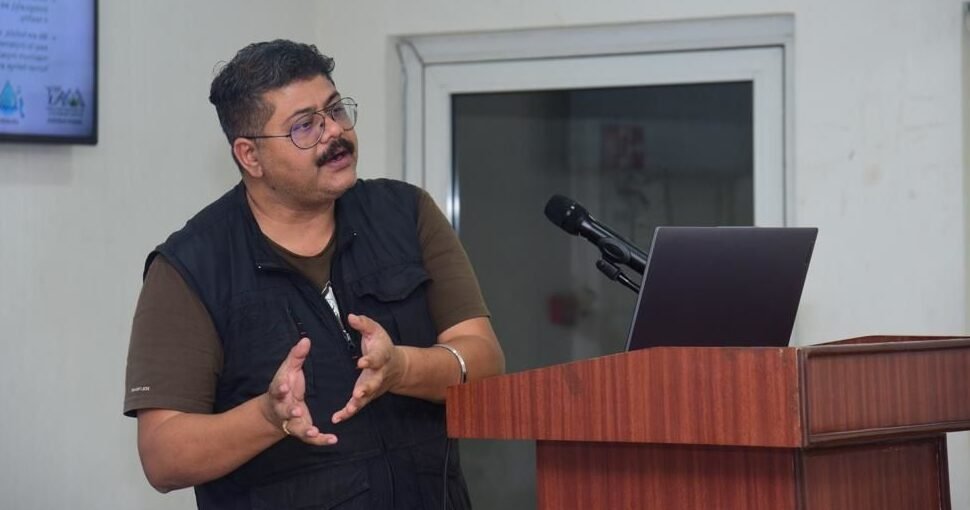
By Dr. Madhukar Swayambhu
Africa is home to some of the world’s largest freshwater resources, extensive wetlands and river systems. The continent covers approximately 30.37 million square kilometres, accounting for nearly 20% of the Earth’s land area. However, its natural wealth is facing growing pressure from deforestation, mining, industrial activities and environmental degradation.
An estimate prepared by Vaidic Srijan LLP shows that Africa is losing around 34,500 square kilometres of forest cover every year. Mining activities have also created a direct environmental footprint of about 3,055 sq km besides numerous indirect impacts caused by infrastructure development and deforestation.
These pressures are affecting the continent’s water resources. Pollution and degradation of lakes, rivers and wetlands are damaging ecosystems, reducing biodiversity and affecting communities dependent on these waterbodies.
Africa has approximately 360–370 Ramsar Sites, covering more than 100 million hectares. These internationally important wetlands play a vital role in maintaining ecological balance, supporting biodiversity and regulating water systems.
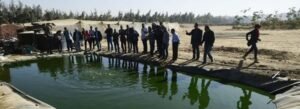
Healthy Waterbodies Can Improve Human Health
The condition of waterbodies directly affects the health and economic well-being of surrounding communities.
Degraded wetlands and stagnant water systems can create favourable conditions for disease-carrying vectors. Diseases such as malaria, yellow fever, dengue, Rift Valley fever and chikungunya affect communities across different parts of Africa.
These diseases not only create a burden on healthcare systems but also reduce people’s working capacity, affect household incomes and increase medical expenses.
On the other hand, healthy water ecosystems support cleaner surroundings, biodiversity and better environmental conditions. Lakes, rivers and wetlands also create opportunities for tourism, recreation and local employment.
Restoring these natural assets can therefore deliver benefits beyond environmental protection. It can improve public health, strengthen livelihoods and support economic activities in surrounding communities.
Turning Waterbodies from Carbon Sources into Carbon Sinks
One of the most important opportunities in waterbody restoration is climate change mitigation.
According to Vaidic Srijan LLP’s estimates, Africa’s partially degraded inland waterbodies currently emit approximately 80–120 million tonnes of carbon dioxide equivalent (CO₂e) every year.
However, restoring these ecosystems to healthy conditions could enable them to store around 250–330 million tonnes of CO₂e annually.
This creates a significant opportunity for carbon markets. By preventing emissions and increasing carbon storage, restored waterbodies could generate carbon credits that can be purchased by companies and institutions looking to meet their climate commitments.
The estimated annual value of avoided emissions is between $522 million and $3.27 billion. Meanwhile, carbon sequestration through restored waterbodies could generate an estimated $5.40 billion to $19.78 billion annually over the next 30 years, depending on carbon-market prices.
This approach could transform environmental restoration into an economically valuable activity.

Five Revenue Opportunities from a Single Waterbody
The economic potential of restoring Africa’s water resources goes beyond carbon credits. According to the estimates, a restored waterbody could generate value through five different environmental credit markets. These include:
- Emission and carbon credits: Avoiding methane, carbon dioxide and nitrous oxide emissions while increasing natural carbon storage.
- Biodiversity credits: Protecting and restoring wetland habitats, supporting wildlife and improving ecosystem health.
- Green and natural capital credits: Recognising the economic value of healthy natural landscapes and their ecological services.
- Water quality and nutrient credits: Removing pollutants, nitrogen and phosphorus from wastewater and improving the quality of water available for communities and industries.
- Sanitation and watershed services: Generating value through improved water purification, groundwater recharge and better watershed management.
Together, these five credit markets could generate an estimated $15.2 billion to $45.6 billion annually across Africa.
The advantage is that different environmental services from the same restored waterbody can generate separate revenue streams.
Eco-Tourism Adds Another Layer of Economic Value
Healthy waterbodies also create opportunities for eco-tourism, which can provide employment and income to local communities.
Africa’s travel and tourism sector already contributes approximately $241 billion annually to its economy. Restored lakes, rivers and wetlands can further strengthen this sector by attracting visitors interested in wildlife, natural landscapes and outdoor experiences.
Healthy wetlands support birds, bees, butterflies and other wildlife, creating attractive destinations for nature-based tourism.
According to Vaidic Srijan LLP, combining the value of environmental credits with eco-tourism could generate between $27.2 billion and $81.6 billion every year.
This estimate highlights how environmental conservation can become an important contributor to economic development.
Can Water Restoration Reduce Africa’s Debt Burden?
The economic argument for restoring waterbodies becomes particularly important when viewed against Africa’s financial challenges.
The article estimates that grant and aid inflows to Africa could decline by approximately $5 billion in 2026. At the same time, several African economies continue to face significant debt obligations and financing requirements.
The estimated annual value of healthy water ecosystems, ranging from $27.2 billion to $81.6 billion, presents an opportunity to develop an additional source of recurring economic value.
At the higher end, the estimated value generated in a single year could match Africa’s entire bilateral debt to China.
While these estimates do not mean that restoration revenues can automatically replace foreign aid or repay national debt, they underline the financial importance of investing in natural resources.
Unlike conventional aid, the benefits of healthy ecosystems can continue generating value year after year if they are properly maintained.
From Vision to Implementation
Realising this opportunity will require coordinated efforts from governments, industries, communities and research institutions.
First, African governments need policies that recognise lakes, rivers and wetlands as valuable natural assets. Environmental restoration should become an integral part of national climate and development strategies.
Second, public-private partnerships can help mobilise investment for restoration projects. Industries, municipalities and agricultural businesses can support water conservation through environmental credit purchases and water-stewardship programmes.
Third, local communities must become active participants in restoration activities. Training young people to restore, monitor and maintain waterbodies can create green jobs while strengthening environmental awareness.
Research institutions and universities can contribute through scientific studies, data collection, monitoring and verification of environmental outcomes.
Importantly, restoration projects must be supported by transparent measurement systems. The quantity of carbon emissions avoided, hectares of wetlands restored and pollutants removed from water should be properly documented to build confidence in environmental credit markets.
Conclusion: Making Nature an Economic Asset
Africa’s water resources represent an opportunity that goes far beyond environmental conservation. Healthy lakes, rivers and wetlands can support public health, create employment, strengthen tourism, improve biodiversity and generate revenue through emerging environmental markets.
The estimates presented by Vaidic Srijan LLP at Africa Sustainability Week 2026 suggest that restoring these ecosystems could unlock billions of dollars in annual economic value.
The challenge now is to translate this potential into action through effective policies, investment, community participation and scientific monitoring. By protecting its natural water wealth, Africa can build a more sustainable, resilient and economically independent future.
(The author is co-founder and research head of Vaidic Srijan LLP)


