Tamil Nadu to bring battery storage & recycling policy
Electricity and Law Minister CTR Nirmal Kumar said the policy is in the final stages of preparation following a review of research facilities at IIT Madras.
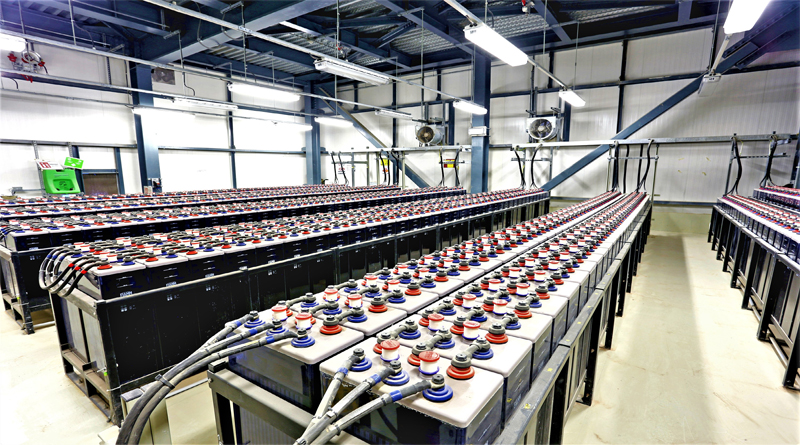
Tamil Nadu is set to introduce a dedicated policy for Battery Energy Storage Systems (BESS) and battery recycling in the coming weeks as the state looks to strengthen renewable energy integration and prepare for the growing challenge of battery waste.
Electricity and Law Minister CTR Nirmal Kumar said the policy is in the final stages of preparation following a review of research facilities at IIT Madras. The Tamil Nadu Electricity Board (TNEB) has signed an MoU with IIT Madras to undertake research on battery storage technologies and recycling techniques, with the findings expected to guide regulatory and infrastructure planning.
“The challenge of battery recycling will become significant over the next five years. The policy will help the state build the necessary ecosystem in advance while enabling battery storage solutions to manage peak-hour electricity demand,” the minister said.
Tamil Nadu has an installed renewable energy capacity of nearly 30 GW, prompting the government to focus on grid stability and energy storage as solar and wind capacity continue to expand. Alongside the BESS policy, the state is also preparing a separate rooftop solar policy and a consumer-facing mobile application. Officials said the government is considering additional financial support for rooftop solar installations over and above central subsidies.
The policy comes as Tamil Nadu’s battery recycling ecosystem begins to expand. In May this year, Bridge Green Upcycle commissioned the state’s first dedicated lithium-ion battery recycling and critical mineral recovery facility at Gummidipoondi with an installed processing capacity of 7,200 metric tonnes per annum (MTPA). As per one estimate, the state also has an extensive lead-acid battery recycling base, with 23 authorised recyclers having a combined installed capacity of over 386,000 tonnes per annum.