Mohali approves new CBG project to process 300-TPD biowaste
The municipal corporation plans to provide 15 to 20 acres of its nearly 39-acre land at Samgauli to HPCL for setting up the facility.
 IOCL, GPS Renewables Join Hands To Setup CBG Plants
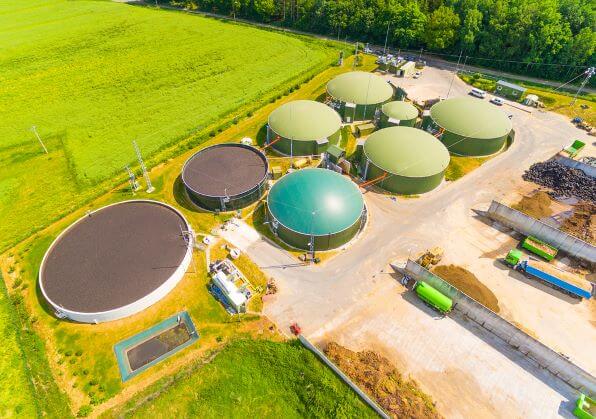
The Mohali Municipal Corporation (MMC) has approved a proposal to establish a 300-tonne-per-day compressed biogas (CBG) plant at Samgauli village in Dera Bassi, marking a major step towards converting the region’s growing wet-waste stream into renewable energy.
The proposed facility will process segregated wet waste collected from nine urban local bodies across the Mohali region and convert it into CBG and organic manure. The project is expected to create a decentralised waste-to-energy ecosystem while addressing the long-standing challenge of wet-waste disposal.
Under the proposal, the MC plans to provide 15 to 20 acres of its nearly 39-acre land at Samgauli to HPCL Renewable and Green Energy Ltd, a subsidiary of Hindustan Petroleum Corporation Ltd (HPCL), for setting up the facility. The land may be provided for 30 years either free of cost or at a nominal lease.
Biogas production from regional wet-waste
The plant will receive segregated wet waste from Mohali, Zirakpur, Kharar, Nayagaon, Dera Bassi, Kurali, Lalru, Banur and Gharuan. Around 300 tonnes of wet waste will be processed every day, while an additional 15 to 20 tonnes of cattle dung is proposed to be supplied as feedstock.
The organic feedstock will undergo anaerobic digestion to produce biogas, which can then be purified and upgraded into compressed biogas suitable for use as a renewable gaseous fuel. The process will also generate organic manure, creating an additional resource from material that would otherwise require disposal.
The project could therefore link municipal waste management with the growing CBG ecosystem, providing a local source of renewable gas while reducing dependence on conventional fossil fuels.
HPCL to fund & operate the facility
HPCL Renewable and Green Energy Ltd will bear the entire capital expenditure for the plant, including equipment and machinery, and will be responsible for its operation and maintenance.
Following the MC House approval, the civic body will undertake land demarcation, feasibility assessment and other formalities. The parties are subsequently expected to enter into a memorandum of understanding, waste supply agreement and long-term land lease agreement.
For Mohali and neighbouring civic bodies, the proposed plant represents more than a waste-disposal project. By aggregating wet waste from multiple municipalities and converting it into CBG, the facility could establish a regional circular-economy model in which urban organic waste becomes a source of clean fuel and agricultural nutrients.