

Maharashtra clears CBG Policy 2026; earmarks Rs 500 crore for projects
The new CBG policy in Maharashtra says that a coordination committee in every district will be established to facilitate the development of biogas projects through a public-private partnership (PPP) framework.
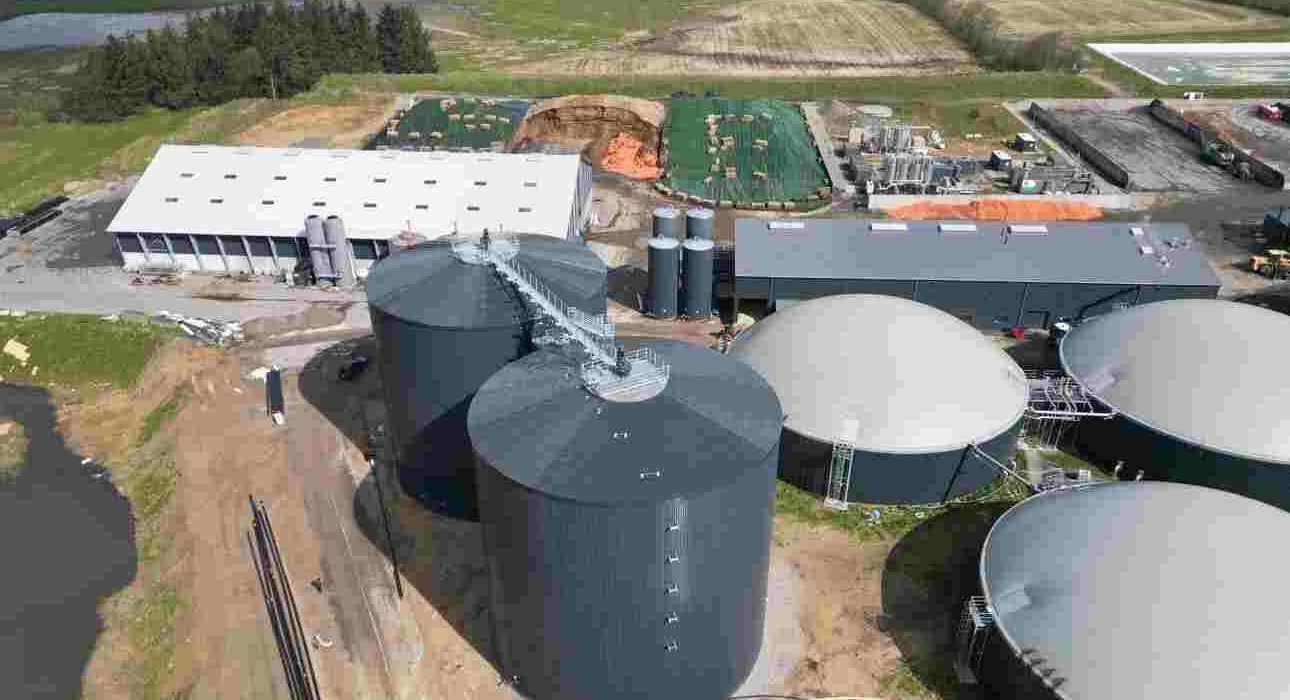
The Maharashtra cabinet has approved the state’s Compressed Biogas (CBG) Policy, 2026, aimed at promoting scientific waste management and reducing greenhouse gas emissions.
The new CBG policy in Maharashtra says that a coordination committee in every district will be established to facilitate the development of biogas projects through a public-private partnership (PPP) framework. This will be based on a hybrid annuity model.
The government has earmarked an outlay of Rs 500 crore for CBG projects in the current financial year, signalling a push towards cleaner energy and sustainable waste utilisation.
Maharashtra is already on the brisk route to biogas development. Noida based REnergy Dynamics has already operationalised a CBG plant designed of 21 TPD, one of India’s fastest to reach capacity, in Nagothane.
Recently, Home Minister Amit Shah inaugurated India’s first cooperative CBG plant at Kopargaon in Ahmednagar district of Maharashtra.
Gurgaon based Engineers India Limited (EIL) has started the construction of a 5 tonnes-per-day CBG plant at the MIDC Halkarni Industrial Area in Kolhapur.
Other Key Decisions
In another key decision taken at the meeting chaired by Chief Minister Devendra Fadnavis, the cabinet approved the allotment of 42.55 hectares of land to the Maharashtra Industrial Development Corporation (MIDC) for the development of an IT park at Nagewadi in Satara district. The move is expected to boost regional industrial growth and create employment opportunities.
The cabinet also cleared a proposal to align the salaries of teachers in seven model colleges with the University Grants Commission (UGC) guidelines. Additionally, these teachers will be granted extra marks in recruitment processes conducted by the state’s Higher and Technical Education Department.
Further, the cabinet approved a proposal to restructure the premium payable for the conversion of land tenure from Occupant Class-2 to Class-1, in line with the state’s landholding norms.