Greenwave Circularity raises Rs 300 crore from Austria’s OeEB for PET recycling plant
The financing has been de-risked and guaranteed by the European Union and would support a plant to convert used PET bottles into food-grade recycled PET (rPET) resin, flakes, pellets and preforms for the FMCG industry.
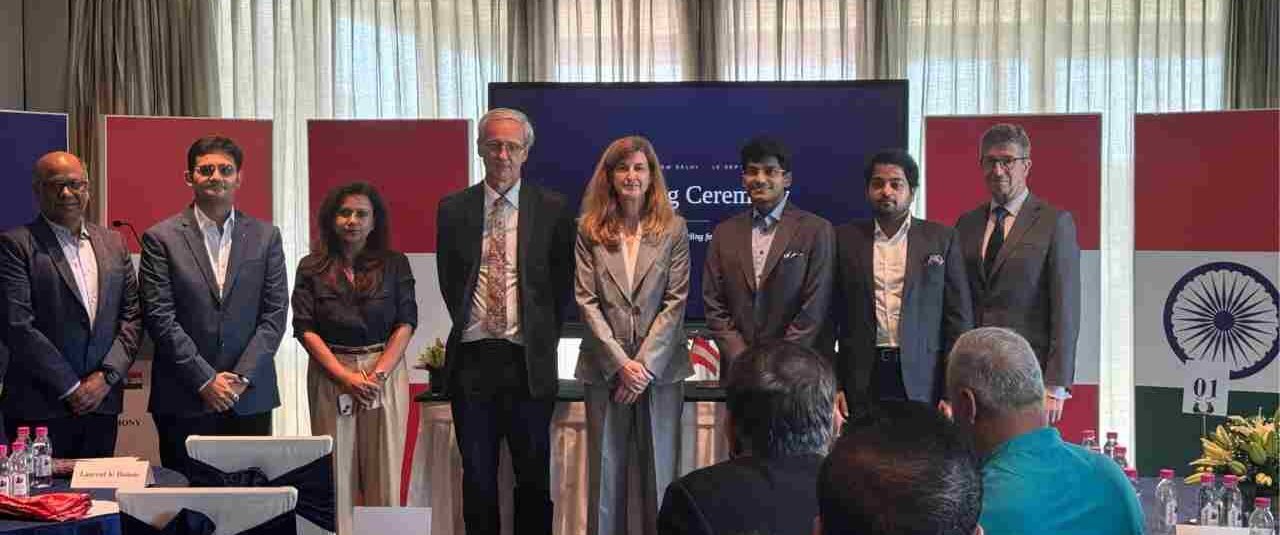
Meerut based Greenwave Circularity has announced to have raised $31.5 million (about Rs 300 crore) from OeEB, the Development Bank of Austria, to develop one of India’s largest closed-loop PET recycling facilities in Odisha.
The financing, which Greenwave said has been de-risked and guaranteed by the European Union, will support a facility designed to convert used PET bottles into food-grade recycled PET (rPET) resin, flakes, pellets and preforms for the FMCG industry.
The project is expected to create more than 1,000 jobs, according to estimates by OeEB. The facility will also target LEED Gold green-building certification and is being designed with sustainability features including rooftop solar power and a zero-liquid-discharge (ZLD) effluent treatment system.
Greenwave said the investment will help accelerate the adoption of circularity-led solutions using European technologies while supporting the formalisation and upliftment of scrap and recycling value chains.
The closed-loop facility will enable post-consumer PET bottles to be recycled back into packaging material, supporting the FMCG sector’s demand for recycled content and reducing dependence on virgin plastic.
Devang Kumar, Founder and CEO, Greenwave Circularity, said, “This long-term financing marks a significant milestone in our journey to scale circular economy solutions across industries. Partnering with OeEB builds credibility and strengthens our ability to accelerate innovation, expand our reach, and deliver measurable impact.”
Intellecap’s Investment Banking Group acted as the financial advisor to Greenwave for the transaction. Its Managing Director Ashim Ranu said that securing around $32 million from a foreign institutional investor was a challenging process, particularly as Indian institutional investors could find it difficult to commit such a large amount to the project.
He said the transaction had to be structured to meet the requirements of foreign investors and added that the participation of a large institution could open doors for other startups seeking similar funding.
Ranu said European and Japanese lenders are showing interest in financing Indian corporates, particularly in climate-related sectors. However, he stressed that foreign institutional investors and development finance institutions typically undertake extensive due diligence, requiring patience from companies seeking capital.
He identified recycling, mobility, battery storage and electric vehicles among the sectors likely to attract further investment in India. While the size of the upcoming investment pipeline remains difficult to quantify, he expects multiple institutions to support such projects over time.