
RBI says ‘Edible Oil’ price rise caused by biofuels making in South East Asia
In its article ‘State of the Economy’ in July bulletin, RBI finds diversion of edible oil in countries like Indonesia and Malaysia towards biofuels making, has raised prices in India.
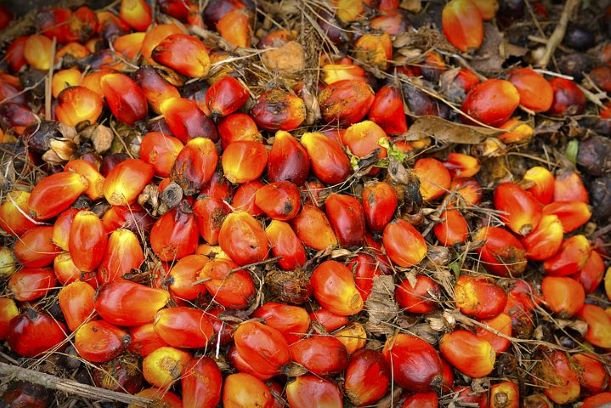
The Reserve Bank of India (RBI) has identified the increasing use of edible oils for biofuel production as a key factor driving the recent rise in cooking oil prices. In its July Bulletin, under the ‘State of the Economy’ article, the India’s central bank said that edible oil prices have shown a broad-based increase, partly due to their diversion toward biodiesel manufacturing.
The RBI report highlighted Indonesia’s decision to raise its palm oil biodiesel blending mandate from B40 to B50, effective July 1. This move requires a 50% blend of palm oil-based biodiesel with diesel, significantly boosting domestic consumption of palm oil in the world’s largest producer. As a result, the exportable surplus is expected to shrink, tightening global supply.
Compounding the situation are emerging supply-side pressures, including a likely production slowdown in Indonesia and Malaysia—two major exporters catering to India’s demand. Experts estimate that more than 30% of Indonesia’s palm oil output could eventually be diverted to biofuel production, leaving less for international markets.
For India, which imports around 57% of its edible oil requirements, these developments have direct implications. Rising import costs are pushing up domestic prices, with potential impacts on trade balances and the current account deficit.
Economists point out that biofuel diversion is only one of several contributing factors. Weather-related disruptions in oilseed production, geopolitical tensions affecting crude oil prices, and changes in import duties have also influenced edible oil price trends.
Edible oils carry significant weight in India’s retail inflation, accounting for 2.18% of the Consumer Price Index. Within this, refined oils and mustard oil contribute the most. The RBI also noted that, as of July 20, prices of key food items—including rice and wheat—have risen, while edible oils continue to see sustained upward pressure.
Experts have been suggesting for long that India must diversify import sources and strengthen domestic oilseed production to reduce vulnerability to global supply shocks.