“Tietjen offers 40+ integrated solutions for variety of biomasses for biogas industry” – Thomas Runde, Managing Partner, Tietjen Verfahrenstechnik
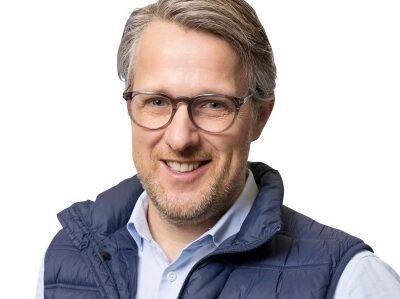
As the Indian biogas sector continues to grow stronger each passing day, I Am Renew spoke with Thomas Runde, Managing Partner at Tietjen Verfahrenstechnik GmbH, a leading global supplier of biogas technologies with a strong presence in the recycling and feedstock sectors. In the conversation, Thomas shared insights into Tietjen’s plans for India’s biogas industry, the company’s technological strengths, and its extensive experience across Europe and other key biogas markets. Read more here:
Tell us something about Tietjen and why you are in India?
Thomas Runde: Tietjen is a Nordish name and we are a German machinery company founded in 1959 and we have specialised in biomaterials of every kind – grains, fibres, by-products, contaminated biomaterials etc. We started with feed and food applications in the 1960s and 70s. With the biogas market starting in the 1990s in Germany, we also entered into this for disintegration solutions making the potential for any biogas material for biogas plants available.
What’s Tietjen area of specialisation in the biogas industry and also share some insights on your European experience?
Thomas Runde: We have wide experience in the biogas industry. The German biogas market is largest in terms of numbers of installed plants. Scandinavian markets have larger & industrial biogas plants. Many of these experiences in different European countries could be applied to countries like India. For example, the large industrialised biogas plants that Tietjen has in Scandinavia can find a blueprint of what we are doing here in India. It needs to be a smart-automated process for a highly efficient biogas plant. The seasonality of product availability in India is a big challenge besides transport, storage & logistics.
What is your technology & how does it work?
Thomas Runde: Our technology is out-balancing the economic factors and the quality & yield factors from biogas sites. We provide an acceptable investment and running cost of the system and an acceptable solution to get the best biogas yield you want to have from crops that are lignin intense like paddy straw & napier grass. These feedstocks are way cheaper than energy crops in Europe. You also need to have an economic technology and we are here to offer that.
What is the range of Tietjen products?
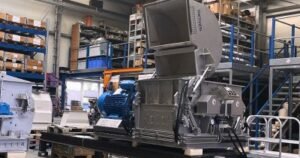
Thomas Runde: Today we are offering from a single machine to an integrated solution. We offer more than 40 integrated solutions that work on dry or liquid basis addressing different biomasses like grains, energy crops, fibres, woods etc. and also food industry by-products like coconut shells, almond clippings or whatever you find in the world as a biomass that needs processing. India is a rich biomass country and the country is turning to an environmentally sustainable society.
How effective are Tietjen technologies with municipal bio-waste (MSW)?
Thomas Runde: I have been keen to visit & understand the organic content in municipal waste in countries like India or Bangladesh. My theory was that the missing convenience food in these countries is low in comparison to European countries. But we have 40-60% organic content in MSW which are going to landfills & incineration plants. We believe that the lowest hanging fruits to achieve the SDG goals of the United Nations must be to divert any organic waste, that have high caloric value, from landfills & incinerations towards generation of alternative energies. With regards to municipal organic waste, there is enormous potential in countries like India especially when combined with other sources like waste from the food industry for a nice feedstock flow in these integrated biogas plants.
What’s your utility in the ethanol industry?
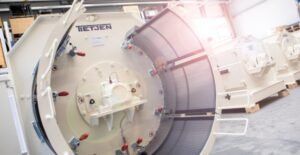
Thomas Runde: Our ethanol business is very close to classic grinding business. These are air aspirated fine grinding systems for grains like wheat and corn for ethanol making. We are pre-processing these materials for ethanol plants which is an enormous challenge as they run 24X7 throughout the year and require high availability of the system. We have a variety of crops with winter or summer harvests. We have to deal with process technology. Tietjen has been a reliable partner of the ethanol industry for many decades.
How affordable is your tech in the cost sensitive Indian market?
Thomas Runde: Tietjen is finding its way into the Indian market at the moment. It always must be regionally adapted. Selling German products in India is a challenge. We can speak about the ROI because in most applications, CAPEX is one thing but OPEX is more important. Things like availability of the system or cost of the spare parts are highly relevant and these help us to justify high CAPEX in the beginning. To start business in India, we need to have a vision for local sourcing and local production. This can start with peripheral components and can end up in complete machines being manufactured in India. Tietjen has already done a couple of projects here. Besides CBG & ethanol, we are also looking at MSW and food processing waste markets.
 How do you operate in this market?
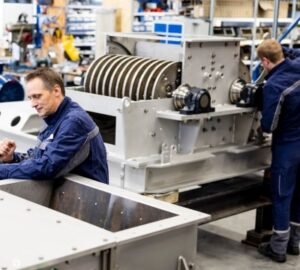
Thomas Runde: We have a partner which is present in most of the regions of India. Our engineering is still done in Germany but we know that service is important from the first moment of selling. First level support comes from Indian partners, and our engineers travel to India as second service level when necessary. Our machines work in the harshest climatic conditions. We have installations from south of Italy in the Mediterranean to Arctic situations.