
Reliance makes dash towards biogas, green hydrogen
The company revealed in its annual general meet that it would establish 500 Compressed Biogas plants by 2030, fasten bioenergy R&D and delve into green hydrogen space with export intentions.
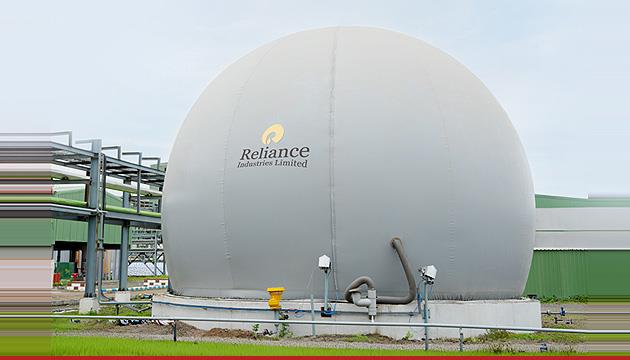
Anant Ambani, Executive Director of Reliance Industries, has announced during the company’s annual general meeting that the conglomerate plans to establish 500 Compressed Biogas (CBG) plants across India by 2030. The objective of Reliance is to enable farmers to become energy producers and contribute directly to India’s energy independence.
Anant revealed that for the ongoing financial year, Reliance aims to commission 55 CBG plants with a collective capacity of 500,000 tonnes. Ambani emphasized that the company entered the bioenergy sector with a clear mission: to empower millions of farmers as ‘Urja Daata’ – providers of energy – while advancing the nation’s clean energy goals.
Highlighting research and development efforts, he pointed out that Reliance has set up a dedicated facility at Jamnagar. The centre is working on developing advanced enzymes, microbial consortia, and high-yield energy crops to enhance biogas productivity. The company is also focusing on creating an integrated energy hub that brings together multiple renewable energy sources.
Taking Strides Into Green Hydrogen
Moving into green hydrogen, Reliance has set a target of ramping up production to three million tonnes per year by 2032. The company also plans to launch a battery gigafactory in 2026. As part of its shift away from fossil fuels, Reliance will expand solar module manufacturing to 10GW annually, develop an energy storage gigafactory with an initial capacity of 40GWh per year, and produce electrolysers in-house for hydrogen generation.
Ambani stressed that Reliance is bullish on green hydrogen and will work to convert it into green ammonia, green methanol, biofuels, and sustainable aviation fuel, both for domestic use and for export markets. He also underlined the company’s efforts in energy plantations on wastelands, calling it a step towards building the world’s first integrated energy hub.
This hub, he explained, would combine smart farms, modular CBG plants, green hydrogen production, and agrivoltaics. Ambani expressed particular pride in the agrivoltaics business, where solar PV and CBG plants are deployed on the same land. By capturing biogenic carbon dioxide from CBG plants, these hubs will also serve as platforms for producing green chemicals, with the long-term aim of achieving cost parity with fossil fuels.