Green ammonia, methanol standards announced by India to step-up green hydrogen
The standards define emission thresholds and eligibility criteria that must be met for ammonia and methanol to be classified as “green”, meaning they are produced using green hydrogen derived from renewable energy sources.
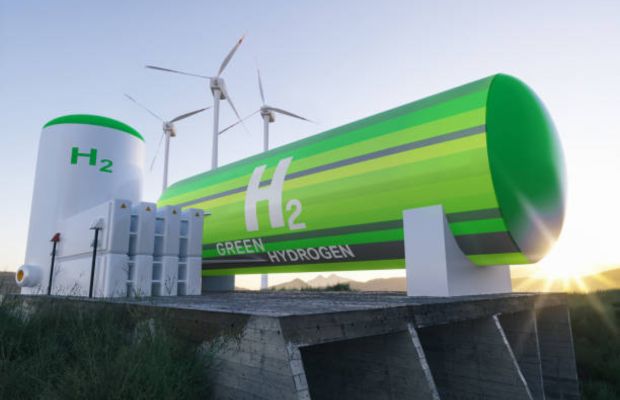 Gensol, Matrix Set To Build Green Hydrogen Project In Maharashtra
The Government of India has announced standards for green ammonia and green methanol to promote the production and trade of green hydrogen derivatives under the National Green Hydrogen Mission. The move is expected to provide regulatory clarity and accelerate investments in the emerging green fuels sector.
The mission, approved by the Union Cabinet in 2023, has an initial outlay of Rs 19,744 crore and aims to position India as a global hub for the production, utilisation, and export of green hydrogen and its derivatives.
According to a statement issued by the Ministry of New and Renewable Energy (MNRE), the government formally notified the Green Ammonia and Green Methanol Standards for India on February 27, 2026. The standards define emission thresholds and eligibility criteria that must be met for ammonia and methanol to be classified as “green”, meaning they are produced using green hydrogen derived from renewable energy sources.
Under the new guidelines, green ammonia must have total non-biogenic greenhouse gas emissions of no more than 0.38 kg of carbon dioxide equivalent per kilogram of ammonia. These emissions include those arising from green hydrogen production, ammonia synthesis, purification, compression, and on-site storage, calculated as an average over a 12-month period.
Similarly, green methanol must limit non-biogenic greenhouse gas emissions to 0.44 kg of carbon dioxide equivalent per kilogram of methanol. This includes emissions from hydrogen production, methanol synthesis, purification, and on-site storage, also averaged over the previous 12 months.
The notification also allows carbon dioxide used in green methanol production to be sourced from biogenic sources, direct air capture, or existing industrial sources. The government said eligible sources may be revised in the future, with appropriate transition provisions.
MNRE will separately issue detailed methodologies for measurement, reporting, monitoring, verification, and certification of green ammonia and green methanol.
The government said the new standards will support decarbonisation in sectors such as fertilisers, shipping, power generation, and heavy industry while strengthening India’s position as a reliable producer and exporter of green fuels.