Ethanol blending program a potential threat to India’s food security: Economic Survey
The maize cultivation has expanded fast in the past four years and the acreage of both pulses & oilseeds declined in the country.
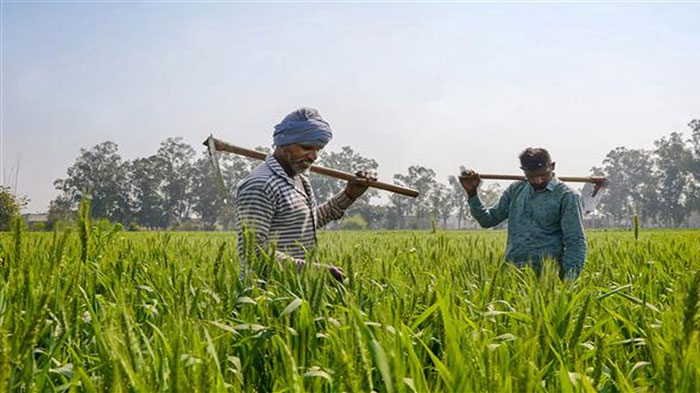
India’s Economic Survey for 2025–26 has said that India’s ethanol blending programme is increasingly reshaping cropping patterns in ways that could pose risks to food security. The Survey has warned about this while noting that the program has been strengthening energy security of the country.
The Survey noted that higher administered prices for maize-based ethanol, compared to ethanol derived from rice and molasses, are encouraging farmers to expand maize cultivation at the cost of pulses and oilseeds.
Between FY22 and FY25, the administered price of maize-based ethanol rose at a compound annual growth rate (CAGR) of 11.7 per cent, significantly faster than prices for ethanol produced from other feedstocks. With assured offtake by oil marketing companies and differentiated per-litre prices fixed annually by the government, this has created a strong and persistent price signal in favour of maize, the Economic Survey observed.
As a result, maize production and cultivated area expanded at CAGRs of 8.77 per cent and 6.68 per cent, respectively, over the last four financial years. In contrast, both output and acreage of pulses declined during the same period, while oilseeds recorded only a modest annual acreage increase of 1.7 per cent.
The Economic Survey further held that cereals excluding maize grew moderately at 2.9 per cent.
The Survey highlighted that in states such as Maharashtra and Karnataka, maize is increasingly competing with pulses, oilseeds, soybean, millets and cotton for land, water and labour. Over time, this imbalance could deepen India’s dependence on imports, particularly for edible oils and pulses, which currently account for 58 per cent and around 18–20 per cent of domestic consumption, respectively. It also risks greater volatility in food prices during supply shocks.
While ethanol blending has delivered significant benefits—saving over Rs 1.44 lakh crore in foreign exchange and substituting about 24.5 million tonnes of crude oil—the Survey called the current trends “early warning signals”. It underscored the emerging tension between self-reliance in energy and self-reliance in food.
To restore balance, the Survey recommended a clear roadmap that includes accelerating yield improvements in pulses and oilseeds to improve their relative profitability, and avoiding policy distortions that confer undue advantages to specific feedstocks. It also noted that the expected reduction in paddy acreage has not materialised, even as nutritionally critical crops like pulses and oilseeds slide down farmers’ priority lists.