Uttar Pradesh’s maiden bio-CNG plant operationalised in Prayagraj
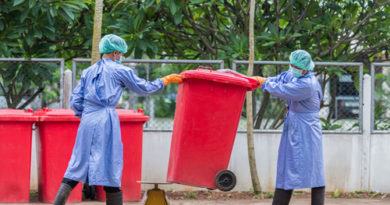
On its opening day, the Prayagraj Municipal Corporation delivered around 20 tonnes of organic wet waste.
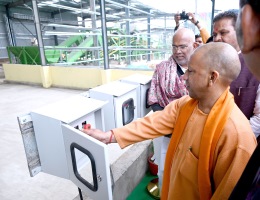
To bolster eco-friendly urban development, Uttar Pradesh’s first bio-CNG plant in Prayagraj has begun to produce biogas. The facility in Arail of Naini area marks a major milestone in the state’s mission for sustainable waste management and environmental conservation.
On its opening day, the Prayagraj Municipal Corporation delivered around 20 tonnes of organic wet waste—primarily sourced from local kitchens and restaurants—for processing. In the coming weeks, the plant’s capacity will ramp up to handle 100 tonnes of organic waste per day.
Built at a cost of Rs 153 crore, the state-of-the-art facility is designed to process all of Prayagraj’s wet waste, ensuring scientific waste treatment and efficient resource recovery.
As part of a broader green initiative, 2,100 saplings will also be planted within the bio-CNG project premises to support the city’s afforestation efforts.
Municipal Commissioner Sai Teja has requested the residents of Prayagraj to segregate wet and dry waste at the household level. Door-to-door collection teams have been instructed to prioritise wet waste collection, which is essential for the plant’s optimal functioning.
Once fully operational, the plant will have a daily processing capacity of 343 tonnes. It is expected to generate 21.5 tonnes of bio-CNG, 109 tonnes of solid organic manure and 100 tonnes of liquid bio-fertiliser.
Bio-CNG production has already begun using 200 tonnes of wet waste per day. The remaining 143-tonne capacity, meant for processing paddy straw and cow dung, is currently under development.
The project has been developed under a Public-Private Partnership (PPP) model. The Municipal Corporation has allocated 12.49 acres in Jehangirabad, Naini, for the plant. Ever Enviro Resource Management Pvt. Ltd. will operate it under a 25-year concession agreement.
To catalyse the initial phase of biogas production, 30 tonnes of cow dung are being added daily to accelerate bacterial digestion. Officials expect the system to become self-sustaining in about 40 to 45 days, after which additional dung inputs will no longer be necessary.
This bio-CNG plant represents a pioneering step for Prayagraj—and the entire state—towards greener cities and cleaner air, setting a model for sustainable urban infrastructure across India.