Odisha to generate 11GW green energy by 2030
Deputy CM Kanak Vardhan Singh Deo stated that the aim will be supported by major expansions in green hydrogen and green ammonia production.
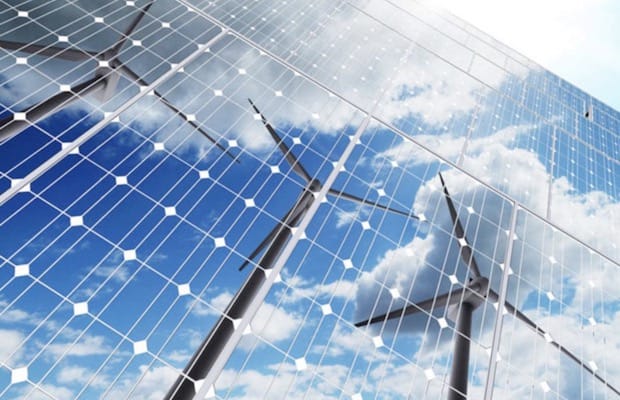
The Eastern India Clean Energy Summit organised by the Associated Chambers of Commerce and Industry of India (ASSOCHAM) in Bhubaneswar focused on “Powering Eastern India’s Net-Zero Transformation” with the leadership stating that Odisha is on the path to generate 11GW of green energy by the end of this decade.
Speaking as Chief Guest, Deputy Chief Minister Kanak Vardhan Singh Deo said Odisha is undergoing a decisive shift in its development trajectory. He announced that the state aims to install 11 GW of green energy capacity by 2030, supported by major expansions in green hydrogen and green ammonia production. The government has recently cleared 53 renewable projects totalling about 2,000 MW, with investments worth Rs 13,422 crore.
Highlighting the state’s push for rooftop solar, the Deputy Chief Minister said Odisha is providing up to Rs 60,000 additional aid per household under the PM Surya Ghar Muft Bijli Yojana, apart from the Centre’s subsidy of up to Rs 76,000, targeting three lakh households.
To overcome land constraints, Deo said that the state is exploring rail-top and canal-top solar installations.
State’s Industry Minister Sampad Chandra Swain said Odisha is entering a new growth era driven by clean energy and responsible industrialisation. He cited incentives under the Odisha Renewable Energy Policy 2022, including waivers on electricity duty, wheeling charges, cross-subsidy surcharge and land fees for green hydrogen and ammonia projects.
The state has already approved 16 major proposals worth over Rs 2 lakh crore, from companies such as JSW, ReNew, Avaada, Waaree, ACME, Sembcorp, L&T Energy Greentech and INOX Wind.
Principal Secretary (Energy) Vishal Kumar Dev noted that Odisha will require Rs 30,000 crore in transmission infrastructure by 2035. Additional Chief Secretary Hemant Sharma stressed the need to cut emissions, noting Odisha contributes 3% to India’s GSDP but 6% to its carbon footprint.
With the Odisha Vision 2036 and 2047 report released recently, the state government looks to meet 33% of its power needs from renewable energy sources by 2036 and 50% by 2047, according to.