Delhi looks at Deposit Return Scheme (DRS) to bolster circular economy
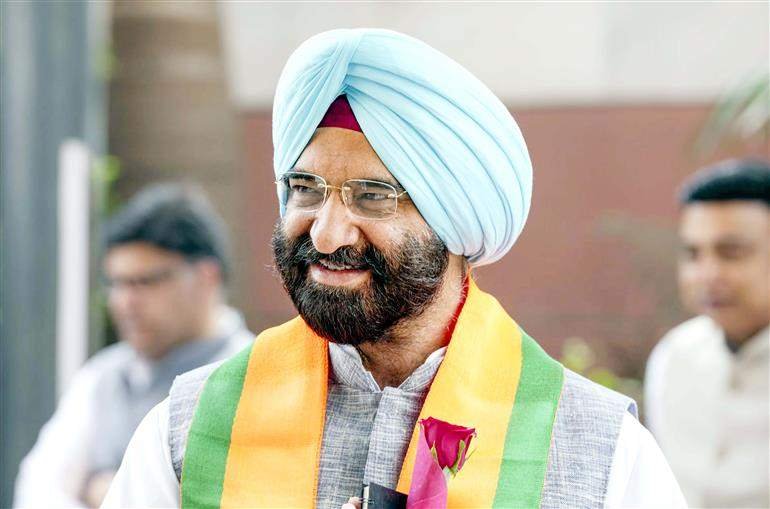
Environment minister Manjinder Singh Sirsa has revealed that the department has been tasked with studying existing DRS models and identifying best practices from across India and globally.
The Delhi government is exploring the introduction of a Deposit Return Scheme (DRS) to incentivise the collection and recycling of non-biodegradable waste, particularly plastics. Under the proposed system, certain products would carry a refundable deposit, which consumers can reclaim by returning used items at designated collection points or retail outlets.
Environment minister Manjinder Singh Sirsa has revealed that the department has been tasked with studying existing DRS models and identifying best practices from across India and globally.
The minister held that a detailed proposal is expected within a month. The initiative aims to promote waste segregation at source, improve collection efficiency, and reduce littering and environmental damage.
As per reports, successful models from states such as Goa, Himachal Pradesh, and Uttarakhand will be examined, alongside international frameworks. A feasibility study tailored to Delhi’s urban context will assess financial structures, institutional mechanisms, stakeholder roles, and implementation strategies.
Sirsa highlighted that unmanaged plastic and non-biodegradable waste continues to clog drains, pollute water bodies, degrade soil quality, and contribute to air pollution through open burning. The proposed scheme, he noted, could help plug leakages of recyclable waste into the environment and deliver measurable outcomes.
Delhi’s Plastic Conundrum
As per one estimate, Delhi generates about 1,113 tonnes of plastic waste each day, but can process only around 871 tonnes, leaving a gap of over 240 tonnes that remains untreated.
The collection, segregation and recycling system relies heavily on an extensive informal network of 200,000–500,000 waste pickers and small-scale recyclers, who handle nearly 60% of the collected plastic. However, much of this material is downcycled into lower-value products, limiting its long-term sustainability and economic potential.