
SAFEGUARDING YAMUNA: Delhi plans CBG project in Civil Lines
The project will be developed by the National Dairy Development Board (NDDB) and will be located on an eight-acre site between the Bhalaswa and Jharoda dairy clusters.
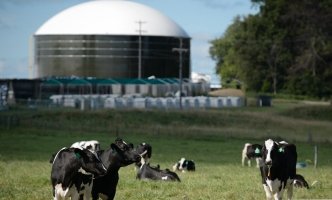
A 100 tonnes-per-day (TPD) compressed biogas (CBG) plant is proposed to be set up in north Delhi’s Civil Lines area to address cattle waste management and reduce pollution in the Yamuna River. The project, being developed by the National Dairy Development Board (NDDB), will be located on an eight-acre site between the Bhalaswa and Jharoda dairy clusters.
As per reports, the official proposal is expected to be submitted soon to the Municipal Corporation of Delhi.
The plant will process organic waste generated by nearly 6,000 cattle identified in the surrounding areas. According to officials, the facility will handle 50 TPD of waste from each of the two dairies, based on a recent survey conducted to assess cattle population and waste output.
The initiative aims to prevent untreated cattle waste from flowing into the Yamuna, a major contributor to pollution in the river. Experts note that while around 80 per cent of Delhi’s Yamuna pollution is caused by domestic sewage, the remaining 20 per cent comes from sources such as dairy waste, solid waste dumping, and small-scale industrial activities.
They also highlight that cattle waste from dairy clusters remains an underutilised resource in pollution control efforts. By adopting a circular economy approach, the proposed plant will convert organic waste into clean cooking fuel in the form of compressed biogas, thereby addressing both environmental and energy challenges.
Last month, MCD had drawn up an ambitious action plan to check the flow of untreated dairy waste into the Yamuna by developing 10 new biogas plants and scientifically manage bio-waste generated in dairies of Delhi. Before that the civic body announced construction of three CBG projects in three dairy clusters – Nangli, Goyla and Ghoga. Chief Minister Rekha Gupta has vowed to introduce multiple projects to clean up Yamuna and end landfill problems through scientific waste management.