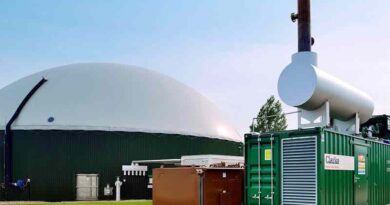
Greater Bengaluru (GBA) sees biogas as solution for Bengaluru’s mounting wet waste
A comprehensive study will be undertaken by the authority to explore efficient conversion of wet waste into biogas.
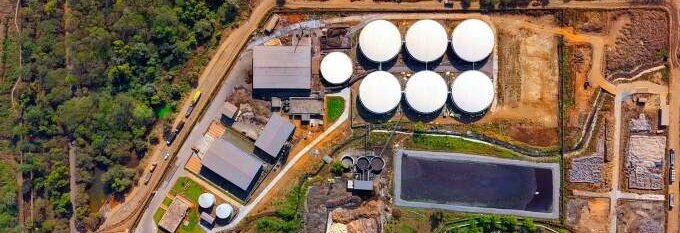
The Greater Bengaluru Authority (GBA) is planning to scale up its biogas infrastructure to manage the city’s growing wet waste. Chief Commissioner Maheshwar Rao has announced that additional biogas plants will be developed across GBA limits following a visit to the waste-to-energy facility in Koramangala.
A comprehensive study will be undertaken to explore efficient conversion of wet waste into biogas. The Chief Commissioner noted that setting up decentralised units across the city’s five corporations would require around two to three acres of land per unit. In the interim, the focus will be on upgrading existing facilities and supplying the produced biogas to nearby commercial establishments such as hotels.
Currently, the Koramangala facility processes about 10 tonnes of waste daily, with plans to enhance its capacity. As per reports, Karee Gowda, CEO of Bengaluru Solid Waste Management Limited (BSWML), informed that the waste to energy plant has an installed capacity of 8.5 tonnes and generates nearly 120 kg of biogas per day. Sold at Rs 70 per kg, this yields a daily revenue of approximately Rs 8,400.
Out of 12 biogas plants set up earlier by the erstwhile Bruhat Bengaluru Mahanagara Palike (BBMP), six are currently operational, each handling around five tonnes of wet waste daily. Efforts are underway to refurbish the remaining six plants. Each tonne of wet waste can produce 30–50 kg of biogas, with individual plants generating nearly 200 kg daily. While part of the gas is used internally, surplus is converted into electricity to power nearby parks.
In collaboration with GAIL, work has commenced on a large-scale biogas plant capable of processing 300 tonnes of wet waste per day. Additionally, four new decentralised biomethanation plants are in the pipeline in area.
The GBA has also approved an agreement with Sataram Company to set up a facility in Kannahalli, which is expected to process around 1,000 tonnes of wet waste for biogas production.