Sanjivani Cooperative develops 12 tonnes bio-CNG project employing sugar waste
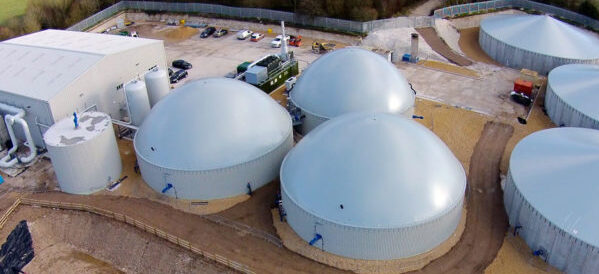
The multi-state cooperative society – Sanjivani Cooperative Sugar Factory – has strengthened its clean energy portfolio by scaling up its Bio-CNG project, turning agricultural waste into a viable source of sustainable fuel.
Spearheaded by Vivek Kolhe, the bio-CNG facility is now fully operational and produces nearly 12 tonnes of Bio-CNG using sugarcane residue. The project reflects a broader shift toward harnessing farm waste for energy generation, while reducing reliance on conventional fossil fuels.
As per reports, the bio-CNG initiative not only aligns with India’s push for alternative energy but also opens up an additional income stream for farmers. By supplying sugarcane waste, farmers are becoming active participants in the energy value chain, reinforcing the connection between agriculture and clean energy production.
The bio-CNG project stands out as one of the early large-scale Bio-CNG initiatives within the cooperative sector, showcasing how rural industries can contribute meaningfully to the energy transition.
Beyond environmental gains, the plant is expected to boost the local economy by generating employment and ensuring better utilization of agricultural by-products.
The sugar industry is striving to utilise the waste & effluents to generate bio-CNG and contribute to the sustainability while improving their profits. Recently, Dalmia Bharat Sugar approved a Rs 58 crore investment plan to set up a bio-CNG project at its Kolhapur distillery.
The Haryana State Federation of Cooperative Sugar Mills Limited has also announced plan to establish compressed biogas projects at multiple sugar mills across the state. In this, the Karnal Cooperative Sugar Mill selected as one of the project sites.