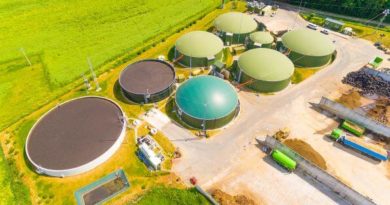
Punjab plans to operationalise 4 CBG plants this fiscal
Located in Ludhiana (two plants), Moga, and Hoshiarpur, these facilities will collectively produce 38 tonnes of CBG per day.
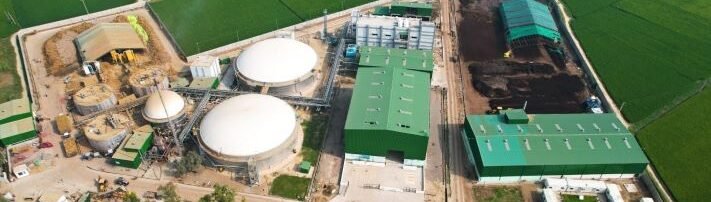
The Punjab Energy Development Agency (PEDA) has unveiled plans to launch four Compressed Biogas (CBG) generation plants in 2026-27 across various districts of the state. Once fully operational, these plants will process approximately 1.08 lakh tonnes of paddy residue annually.
The Punjab government’s primary goal is to reduce stubble burning and promote the use of clean energy through these CBG initiatives. Located in Ludhiana (two plants), Moga, and Hoshiarpur, these facilities will collectively produce 38 tonnes of CBG per day. The move aims to address the burning of kharif crop residue by converting paddy stubble into biogas.
To expand the scope of this waste-to-energy program, PEDA has partnered with national Public Sector Undertakings (PSUs) like GAIL (India) Limited, Hindustan Petroleum Corporation Limited (HPCL), and Bharat Petroleum Corporation Limited (BPCL).
PEDA has already sanctioned a total of 58 CBG plants, with six of them now in operation. These six plants are processing 3.5 lakh tonnes of paddy residue, and with the addition of 4-5 more plants this year, the total biomass consumption is expected to reach around 5 lakh tonnes annually.
Looking ahead, reports suggest that in the next 2-3 years, Punjab will have an additional 47 CBG plants, capable of processing up to 2.8 million tonnes of biomass. This long-term strategy aims to address the recurring challenge of managing paddy residue.
The CBG produced will be supplied to oil companies for use in the transport sector, while the organic manure byproduct will also find its place in the market.
As of early 2026, Punjab has emerged as a leader in India’s CBG sector, driven by efforts to manage paddy straw and reduce stubble burning. Recently, Germany-based bioenergy conglomerate Verbio Group revealed that its expanding operations in India with plans to establish around 10 new CBG plants in Punjab. The state government has additionally given nod for the development of a CBG plant at Bagga Kalan village in Ludhiana.