Public-opposed 30MW Bawana waste-to-energy projects gets green clearance
The plant will now be developed in the DSIIDC Industrial Area of Bawana by M/s Jindal Urban Waste Management (Bawana) Limited, on a 15-acre plot allocated by the Municipal Corporation of Delhi (MCD).
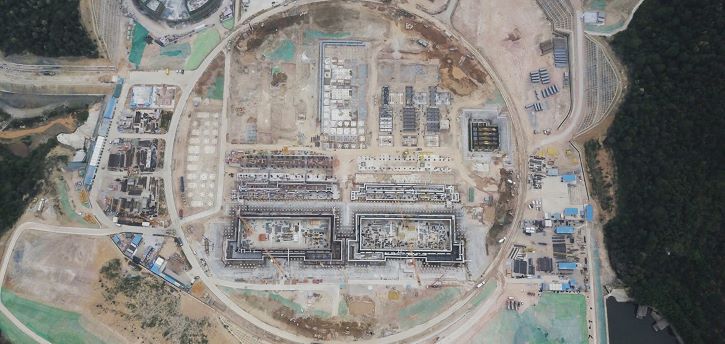
North Delhi’s Bawana is set to get a new 30MW waste-to-energy (WTE) plant after the Union Ministry of Environment, Forest and Climate Change (MoEFCC) granted it environmental clearance. However, the project continues to face stiff resistance from local residents, who have been opposing it since last year.
Details of the environmental clearance have been published on the Delhi Pollution Control Committee (DPCC) website. The plant will be developed in the DSIIDC Industrial Area of Bawana by M/s Jindal Urban Waste Management (Bawana) Limited, on a 15-acre plot allocated by the Municipal Corporation of Delhi (MCD).
As per the approved proposal, the facility will process around 3,000 tonnes of waste per day, making it the fifth such WTE plant in the national capital. Delhi currently produces over 11,300 tonnes of waste daily, of which approximately 8,100 tonnes are processed through segregation and existing WTE facilities. The remaining waste ends up in overburdened landfills.
Delhi’s existing WTE plants include facilities at Bawana (2,000 TPD), Tehkhand (2,000 TPD), Okhla (1,950 TPD), and Ghazipur (1,300 TPD). The upcoming Bawana plant is expected to serve a 12-kilometre radius, further reducing landfill pressure through incineration of municipal solid waste.
The project is estimated to cost ₹660 crore, with ₹91.6 crore allocated specifically for environmental protection initiatives. An additional ₹14.1 crore has been set aside as an annual recurring expense for ongoing environmental safeguards. Six acres of the site have been earmarked for green belt development.
The clearance report acknowledges the proximity of slum areas and villages to the proposed site. The plant is projected to produce around 357 tonnes of leachate daily, which will be treated at the site through designated facilities. A natural nallah runs through the site, and the Western Yamuna Canal is just 32 metres away. To mitigate environmental risks, measures such as enclosed waste storage pits, and isolated provisions for fly ash and fuel oil have been proposed to prevent contamination.
Despite official clearance, local opposition remains strong. At a public hearing conducted by the DPCC in December last year, residents from nearby villages voiced serious concerns about potential air pollution and health hazards due to toxic emissions. The hearing received 680 objections and suggestions, most urging the relocation of the plant to a less densely populated area.
The conflict between infrastructure development and environmental and public health concerns continues to shape the future of this contentious project.
Recently, the Nomura Research held that Delhi’s pollution could be alleviated by waste to energy projects including the biogas.