CSIR-NML, NALCO come together for ‘Red Mud’ recycling
The two government entities will set-up a 10-tonne-per-day (TPD) pilot plant aimed at extracting valuable metals from bauxite residue also called ‘red mud.’
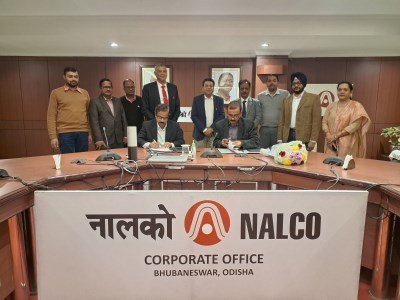
In a significant boost to sustainable mining and critical mineral recovery, CSIR–National Metallurgical Laboratory (CSIR-NML), Jamshedpur, has entered into a collaboration with National Aluminium Company Limited (NALCO) to scale up an indigenous red mud recycling technology. The partnership will lead to the establishment of a 10-tonne-per-day (TPD) pilot plant aimed at extracting valuable metals from red mud, a major industrial waste generated during alumina production.
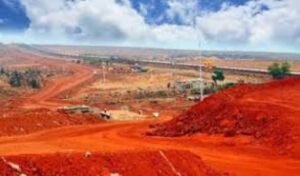
Red mud, also known as bauxite residue, poses a serious environmental challenge due to the large volumes generated and limited utilisation avenues. Through this initiative, CSIR-NML’s technology seeks to recover iron, alumina, titania, scandium oxide and other critical metals, converting waste into valuable resources. The project also addresses the rising global demand for scandium, a high-value metal critical for advanced applications in aerospace, fuel cells, lasers, 3D printing, MIG aircraft and high-performance materials.
CSIR-NML Jamshedpur said on social media, “The initial development on 200kg scale at CSIR-NML was propelled by NITI AAYOG, which targeted red mud as a source of scandium. Worldwide only 3% wt from the 140,000,000 tons of Bauxite Residue produced annually are utilizes in cement and iron production.”
India alone produces more than 5 million tonnes of red mud every year, containing 45–70 parts per million of scandium.
The CSIR-NML process enables simultaneous recovery of alumina and iron while producing a rare earth element (REE) concentrate that can be used as feedstock for scandium extraction. This integrated approach marks the first such red mud recycling and scandium recovery initiative in the country.
The agreement was signed at NALCO’s office in Bhubaneswar, in the presence of senior officials from both organisations. The collaboration is expected to play a transformative role in waste valorisation, sustainable aluminium production and strengthening India’s position in the global critical minerals supply chain, while advancing the country’s circular economy and resource security goals.