
Soil polluted with lead toxics near battery recycling facilities: Toxics Link study
Findings showed that 52 per cent of the samples exceeded 5,000 ppm of lead, classifying them as hazardous contaminated sites under 2025 rules.
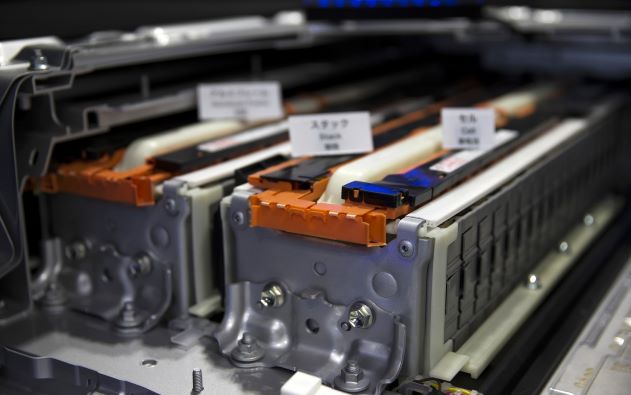 EV batteries driving up demand of Cobalt, Nickle & Lithium
A recent study by Toxics Link has revealed alarming levels of lead contamination in soil surrounding battery recycling sites across the Delhi-NCR region. The report, titled ‘Soiled with Lead: from Battery Recycling,’ analysed soil samples from 23 locations and found lead concentrations reaching as high as 48,000 parts per million (ppm) in certain areas.
The samples were collected from sites located near residential neighbourhoods, schools, and community spaces to assess potential risks to human health. Findings showed that 52 per cent of the samples exceeded 5,000 ppm of lead, classifying them as hazardous contaminated sites under India’s Environmental Protection (Management of Contaminated Sites) Rules, 2025. Additionally, 31 per cent of the sites recorded contamination levels beyond permissible limits even for industrial areas.
The study highlights that while battery recycling is meant to reduce environmental damage, unsafe and poorly regulated practices often result in the release of lead into surrounding air, soil, and water systems. Lead is a highly toxic metal known to cause severe health issues, including neurological damage, anaemia, hypertension, and in extreme cases, death.
Globally, lead-acid batteries account for the majority of lead consumption, contributing to 86 per cent of usage in 2022. Countries like India and China dominate this demand, with India importing over 4 million kilograms of lead ore in 2023, according to World Bank data.
India’s formal recycling sector includes more than 670 units with a combined capacity of over 3 million tonnes annually. However, the presence of numerous informal and unauthorised recycling operations remains a major concern due to the risk of unsafe handling practices.
The study, conducted between May and June 2025, found lead contamination in every sample tested. Citing the World Health Organization, the report underscores that there is no safe level of lead exposure, identifying it as one of the top global environmental health threats.