Indonesia & Nepal strive towards ethanol blending fuel programs
In important developments, while Indonesian Energy Minister Bahlil Lahadalia revealed that ethanol-blended fuel (E10) will become mandatory by 2028 at the latest, Nepal government has also approved 10% ethanol blending in petrol.
Indonesia and Nepal are moving ahead with ethanol-blended petrol mandates as part of broader efforts to cut fuel imports, reduce emissions and promote cleaner energy.
In Indonesia, Energy and Mineral Resources Minister Bahlil Lahadalia has announced that the use of ethanol-blended fuel will become mandatory by 2028 at the latest, with implementation possibly starting in 2027. The government is preparing a detailed roadmap for bioethanol adoption, aligned with President Prabowo Subianto’s approval of a mandatory 10 percent ethanol blend (E10) in fuel. The policy is aimed at lowering carbon emissions and reducing dependence on imported fuel.
The Ministry of Energy and Mineral Resources is also addressing regulatory and fiscal aspects. Director General of New and Renewable Energy Eniya Listiani Dewi said excise tax issues related to ethanol are being discussed with the Coordinating Ministry for Economic Affairs. While the Ministry of Finance has already exempted ethanol used for biofuel from excise tax, this benefit currently applies only to companies with commercial permits, such as state energy firm Pertamina.
The Indonesian government is considering whether revisions to Presidential Regulation 40/2023 will extend tax incentives. To support the E10 rollout, Indonesia plans to offer incentives for ethanol plant construction, with global automaker Toyota reportedly exploring investments to support domestic bioethanol supply.
Nepal On Similar Path
Nepal has also approved the blending of 10 percent ethanol in petrol, following Cabinet endorsement of the “Order on Using Ethanol Blended Petrol, 2082 BS.” The decision allows Nepal Oil Corporation (NOC) to blend and sell ethanol-mixed petrol domestically, a move expected to reduce petrol imports by about seven million litres and save an estimated Rs 6.25 billion annually.
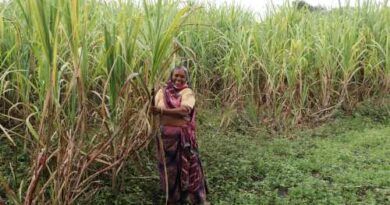
NOC Managing Director Dr Chandika Prasad Bhatta said the approval provides a legal basis for domestic ethanol production, which will not rely on imports and could generate employment. Ethanol blending is expected to improve air quality and cut daily petrol consumption by around 400,000 litres once quality standards and procedures are finalised. Both countries see ethanol—produced from crops like sugarcane and agricultural residue—as a key step toward energy security, environmental protection and rural economic support.