
Climate change to cause stunting in South Asian children: USA Study
Researchers found that exposure of women to extreme heat and humidity during pregnancy affects early childhood growth in one of the world’s most densely populated regions.
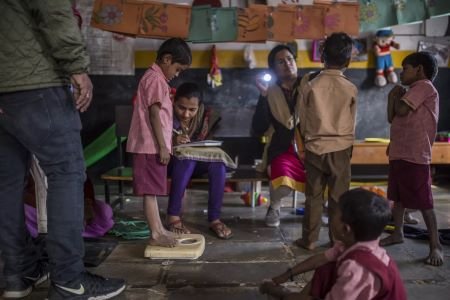
As the vagaries of environmental pollution rage each passing day, a new study by the University of California has held that hot and humid climatic conditions intensified by climate change could sharply worsen child health outcomes in South Asia, potentially increasing the number of stunted children by more than three million by 2050.
Researchers from the University of California, Santa Barbara examined how exposure to extreme heat and humidity during pregnancy affects early childhood growth in one of the world’s most densely populated regions. Its published in the journal Science. The study focused on “height-for-age,” a widely used indicator of chronic undernutrition and long-term health among children under five. Stunting, reflected in low height-for-age ratios, is associated with lifelong impacts on physical and cognitive development.
The research highlights that pregnant women are particularly vulnerable to heat stress due to physiological changes such as increased body weight and altered hormonal activity, which make it harder to regulate body temperature. The study found that humidity significantly amplifies the harmful effects of heat by reducing the body’s ability to cool itself.
The most critical periods of risk were identified at the very beginning and the final stages of pregnancy. Early in pregnancy, fetal development is highly sensitive to environmental stress, while late pregnancy places greater physical strain on the mother. Analysis of third-trimester exposure showed that the combined impact of heat and humidity on child health was about four times more severe than exposure to heat alone.
The researchers used the wet-bulb globe temperature (WBGT) index, which incorporates humidity, radiant heat and airflow in addition to air temperature. Each additional day with WBGT exceeding 29°C was linked to fewer live births six to twelve months later. In contrast, days with temperatures above 35°C were associated with a short-term rise in birth rates, possibly reflecting shifts toward earlier deliveries.
Overall, the findings suggest that hot and humid conditions not only increase the risk of stunting but may also affect conception rates and pregnancy outcomes.
With climate change expected to intensify such conditions in South Asia, the study warns that focusing on temperature alone could lead to a serious underestimation of climate-related health risks to children.