
No metro city in India had ‘Good’ air quality in past decade, says new study by Climate Trends
Delhi remained the country’s most polluted city throughout the period with average AQI hovering around 180 this year.
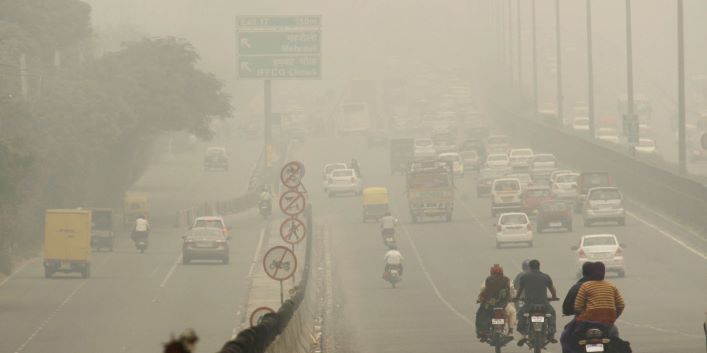
India’s major urban centres have failed to meet safe air-quality standards at any point over the past decade, according to a new assessment by environmental research group Climate Trends. The 10-year analysis, covering 2015 to November 2025, reveals that none of the 11 major cities studied achieved a “good” Air Quality Index (AQI) level even once.
Delhi remained the country’s most polluted city throughout the period. Its average AQI breached 250 in 2016 and continues to hover around 180 this year, the study noted. Despite minor improvements after 2019, the capital never came close to meeting healthy air-quality benchmarks, with vehicular emissions, industrial output, stubble burning and unfavourable geography all driving consistently toxic conditions.
Cities in north and west India — including Lucknow, Varanasi and Ahmedabad — also recorded persistently high AQI levels, often staying above 200 in the first half of the decade. They registered some improvement in later years but still remained outside the safe zone. Southern and western metros such as Mumbai, Chennai, Pune and Bengaluru fared comparatively better, yet none met clean-air thresholds. Bengaluru posted the country’s lowest AQI range, between 65 and 90, still above the “good” category.
AQI is calculated using the concentration of fine particulate matter (PM2.5 or PM10), whichever is higher, a key indicator of health risks linked to air pollution.
Experts said the findings underline the need for robust, data-driven interventions. Palak Balyan, research lead at Climate Trends, added that India needs “sustained, long-term, science-based policy reform backed by genuine political will.”
Meanwhile, Leader of the Opposition in the Lok Sabha, Rahul Gandhi, has demanded an urgent and detailed debate in Parliament, calling air pollution a “health emergency” as large parts of north India, particularly Delhi-NCR, remain shrouded in smog ahead of the Winter Session.