
Eko Dolina secures €24 million to build biogas plant in Poland
The big biogas facility, designed and built using modern continuous dry fermentation technology, will process around 30,000 tonnes of municipal bio-waste annually.
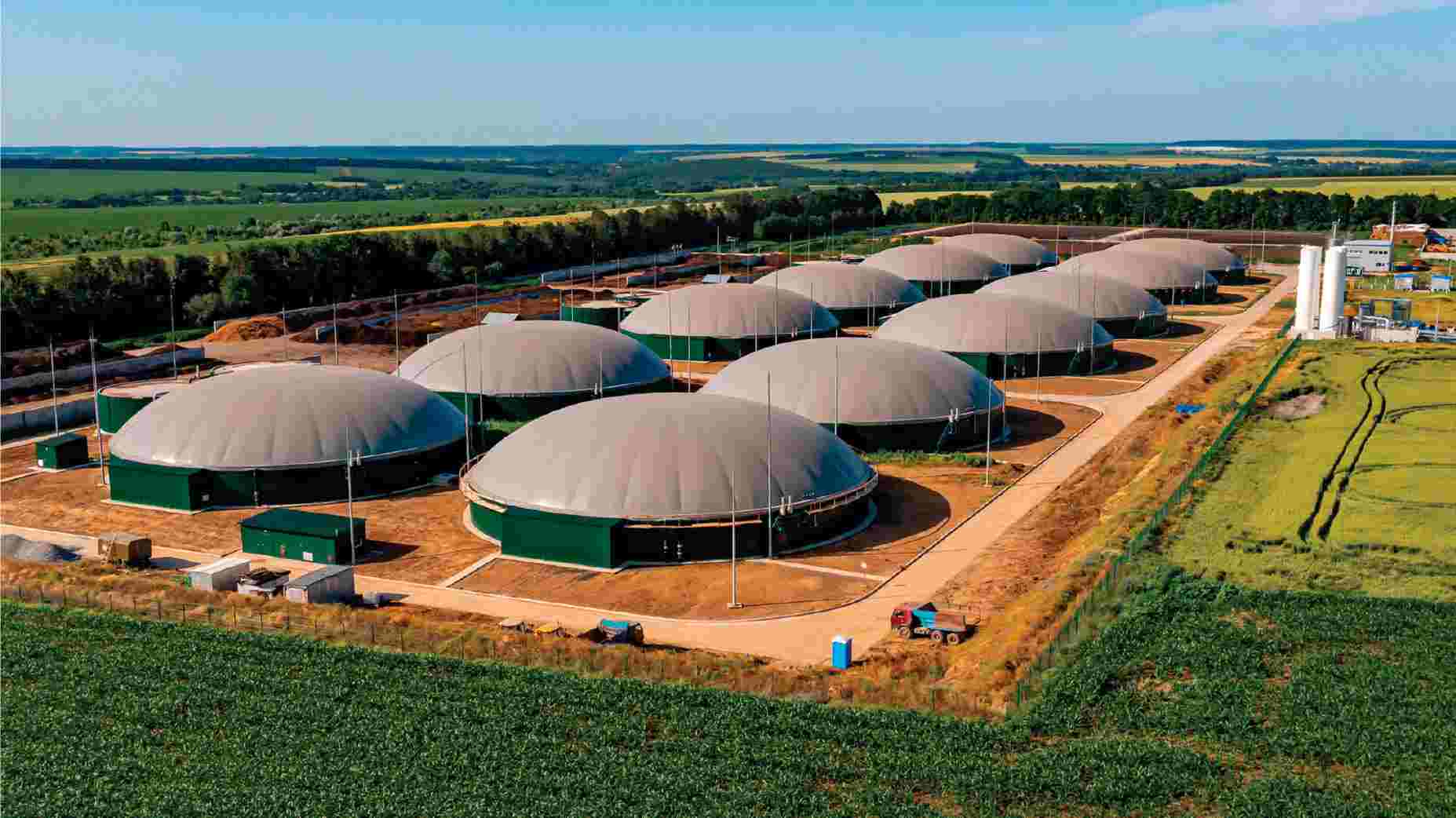
A major step toward advancing Poland’s circular economy has been taken with the signing of a funding agreement for a new municipal biogas plant in Łężyce, Pomerania. The project, led by Eko Dolina, will receive more than PLN 101 million or €24 million from the Modernization Fund through the National Fund for Environmental Protection and Water Management (NFOŚiGW). The total investment cost exceeds PLN 140 million.
Under Priority Programme 2.10 – Development of cogeneration based on municipal biogas – the venture will be supported by over PLN 45 million in grants and more than PLN 55 million in preferential loans.
NFOŚiGW President Dorota Zawadzka-Stępniak said the investment reflects the Fund’s strategy to promote environmentally responsible projects and strengthen the circular economy. “This initiative combines low-emission energy generation with the efficient use of waste that would otherwise be landfilled. It reinforces Pomerania’s position as a leader in the green transformation,” she noted.
The biogas facility, designed and built using modern continuous dry fermentation technology, will process around 30,000 tonnes of municipal bio-waste annually from the “Reda and Chylonka Valley” Municipal Association, including Gdynia, Sopot, Rumia, Reda, and Wejherowo, among others. It will include two fermentation chambers, a digestate dewatering system, biogas and fertilizer storage, and composting infrastructure.
Biogas produced at the plant will be used in a high-efficiency cogeneration system to generate both electricity and heat. Surplus electricity will be fed into the national grid, while the heat will support the plant’s own waste treatment operations.
Eko Dolina President Damian Kleina described the agreement as a milestone in the company’s long-term strategy. “This project will significantly modernize our operations, boost waste processing efficiency, and help us generate renewable energy in line with circular economy principles,” he said.
The plant is expected to be operational by the end of 2027 and will help reduce landfilled waste by over 24,000 tonnes annually by 2030. The investment also strengthens regional energy security through green energy production.
The Modernization Fund—financed through EU-ETS emissions allowance revenues—supports clean energy and infrastructure upgrades across 13 EU countries. Poland is projected to receive nearly PLN 60 billion from the fund between 2021 and 2030.