Avro plans IPO of recycling firm; wants to double the capacity
Chairman Sushil Kumar Aggarwal informed that Avro India has already invested Rs 25 crore in its recycling plant and plans to invest an additional Rs 30 crore by March 2027.
BSE-listed Avro India has announced plans to list its wholly owned subsidiary, Avro Recycling Limited, by Financial Year 2028, with the aim of raising Rs 200–300 crore through an initial public offering to scale up its plastic recycling business. The fundraise is expected to be executed in a single tranche, subject to prevailing market conditions.
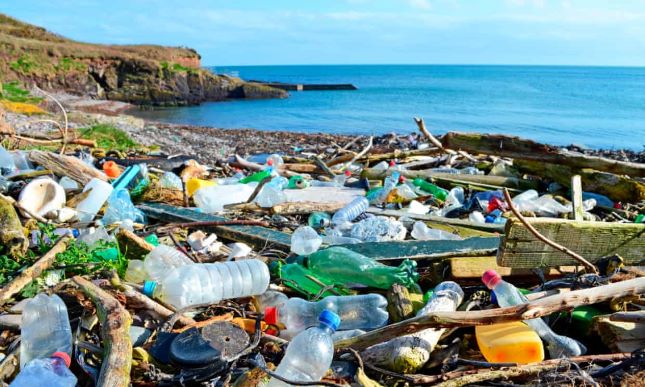
Chairman Sushil Kumar Aggarwal said the company plans to double its plastic recycling capacity to 1,000 metric tonnes per month by the end of the current fiscal, up from around 500 metric tonnes at present. Addressing a media conference, he highlighted that less than 10% of plastic waste in India is currently recycled into usable material, with the rest being burnt, landfilled, or leaking into the environment—underscoring the need for greater investment in recycling infrastructure.
Aggarwal said Avro India has already invested Rs 25 crore in its recycling plant and plans to invest an additional Rs 30 crore by March 2027. The company operates its recycling and manufacturing facilities in Ghaziabad, Uttar Pradesh, through Avro Recycling Limited, a 100% subsidiary.
Looking ahead, Avro India aims to expand its recycling footprint across the country through future greenfield projects. “India’s plastic challenge cannot be solved through fragmented efforts. It requires scale, technology, and intent,” Aggarwal said, adding that the company has invested years of research to develop systems that convert complex plastic waste into valuable raw materials.
Joint Managing Director Nikhil Aggarwal said Avro has developed a proprietary upcycling system capable of processing difficult-to-recycle materials such as cement, salt and sugar bags, putty bags, and calcite packaging. The recycled granules produced are fully utilised in manufacturing high-value products including plastic furniture, air coolers, washing machines, automotive components, and other industrial and consumer goods.
“These granules cost up to 40% less than virgin plastic while meeting stringent technical and durability standards,” he said.