World Bank clears $815 million for 1,125 MW hydropower in Bhutan
The hydropower project is being developed by Dorjilung Hydro Power Ltd that is owned by Bhutan’s Druk Green Power Corporation (60%) and India’s Tata Power (40%).
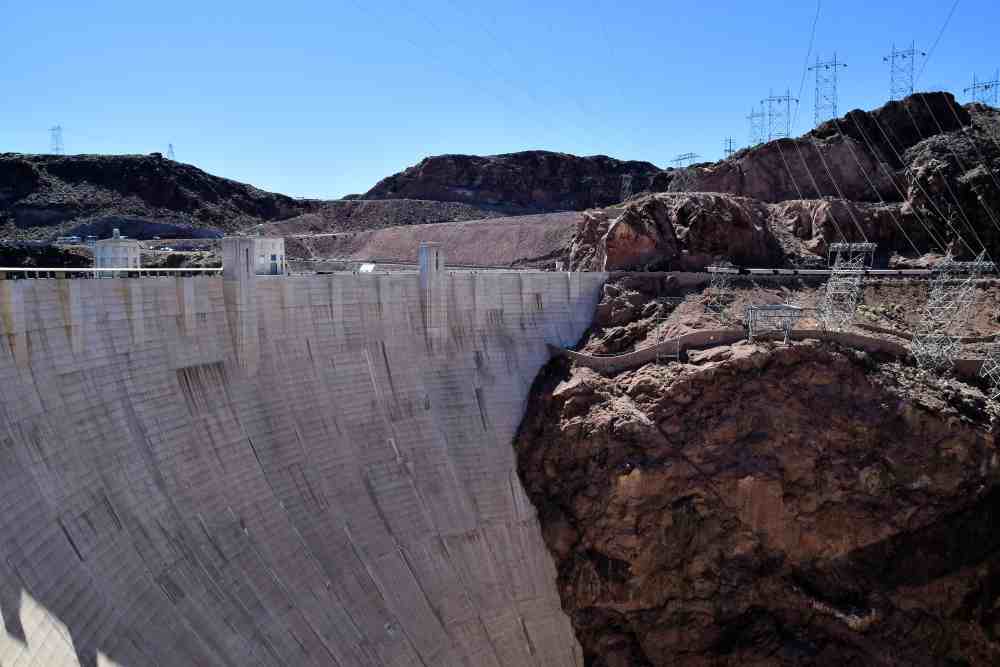
The World Bank Group has approved an $815 million financing package for the development of Bhutan’s 1,125 MW Dorjilung hydropower project, a major run-of-the-river scheme planned on the Kurichhu River in eastern Bhutan. Once completed, the project is expected to significantly boost the country’s electricity generation capacity and strengthen clean energy exports in the region.
The financing includes IDA grants and credits, IBRD enclave loans and IFC loans to Dorjilung Hydro Power Limited. The company is a special purpose vehicle jointly owned by Bhutan’s Druk Green Power Corporation (60%) and India’s Tata Power (40%).
The Dorjilung project is designed to generate over 4,500 GWh of electricity annually, increasing Bhutan’s total power generation by around 40% and raising electricity exports by an estimated 42%. The additional capacity is expected to support regional power trade, enhance energy security, and reinforce Bhutan’s position as a key supplier of clean hydropower in South Asia.
Bhutan’s Finance Minister Lyonpo Lekey Dorji held the project as a national priority, highlighting its role in delivering clean electricity, driving economic growth, and supporting the country’s carbon-negative commitment. He noted that the innovative financing structure has been designed to avoid excessive pressure on public finances while allowing continued investment in social development.
Dorjilung will be Bhutan’s largest hydropower project developed under a public-private partnership (PPP) model, marking a shift toward greater private sector participation in the country’s hydropower sector.
The World Bank Group’s support is expected to mobilise an additional $900 million from private investors, alongside its own financing.
According to the World Bank Group, the package combines support from IDA, IBRD and IFC, with the objective of limiting sovereign borrowing, attracting private capital, and balancing risks between public and private partners. The structure is seen as a potential template for future sustainable hydropower development in Bhutan and other countries.
During construction and operation, the project is expected to generate thousands of jobs and stimulate local businesses. Infrastructure upgrades, including improved roads and market access, are planned for Mongar and Lhuentse districts, regions facing higher-than-average poverty, unemployment, and out-migration.
Recently, the 1,200 MW Kalai-II hydroelectric project that is proposed to be built on Lohit River of Arunachal Pradesh received clearance from Environment Ministry’s expert panel.