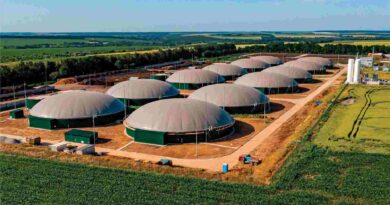
AGROTEL comes up with SaniTarp membrane tech for biogas tanks
The retrofit membrane specifically targets damage from hydrogen sulphide, a corrosive gas produced during anaerobic digestion that combines with moisture to form sulfuric acid.
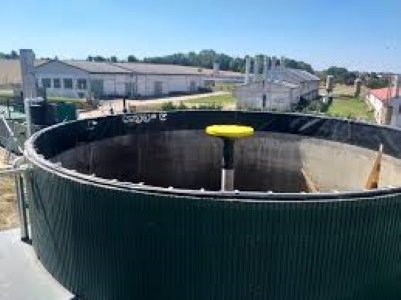
German biogas component manufacturer AGROTEL GmbH has introduced SaniTarp, a patented concrete refurbishment membrane designed to protect biogas tanks from corrosion caused by aggressive gases.
The retrofit membrane specifically targets damage from hydrogen sulphide, a corrosive gas produced during anaerobic digestion that combines with moisture to form sulfuric acid. This chemical assault can dramatically shorten equipment lifespan, increase maintenance costs, and lead to catastrophic failures if left unchecked.
AGROTEL is one of Europe’s leading component manufacturers in the biogas sector. The company has been developing and producing individual solutions using steel and technical textiles for over 35 years.
Addressing Infrastructure Challenges
Unprotected concrete in biogas tanks can suffer severe damage, spalling and costly operational interruptions. AGROTEL says that SaniTarp was developed as a cost-effective and efficient way to subsequently protect the concrete walls of biogas fermenters or secondary fermentation tanks requiring renovation.
The novel product allows operators to refurbish existing tanks and resume plant operations quickly, thanks to straightforward installation that can be completed in all weather conditions without prolonged shutdowns.
Technical Specifications
SaniTarp consists of a gas-tight and media-resistant PP coating. The membrane comprises a chemically resistant polypropylene coating on a stable fabric backing that protects tank walls, supports, and crowns.
The product features professionally welded joints that ensure permanent sealing, as verified by the Fraunhofer Institute. The complete sealing of the concrete elements prevents further corrosion and forms long-term protection.
AGROTEL said in the official statement, “SaniTarp lines the area of the container wall that is permanently in contact with gas. The system uses non-corrosive stainless steel fasteners and is manufactured custom-made to specification, ensuring optimal fit for each installation and protection for complex tank geometries throughout the tank’s operational lifetime.”