
Odisha, OIL sign deal for timely commission of CBG projects
The agreement aims to strengthen coordination between OIL and urban local bodies for the timely commissioning of CBG plants across the state.
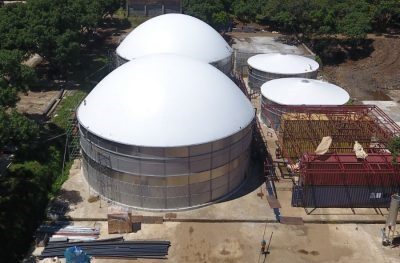
The state government of Odisha and Oil India Limited (OIL) have signed an agreement to convert urban municipal waste into green energy through development of Compressed Biogas (CBG) plants, marking a significant step in the state’s clean-energy and circular-economy strategy.
The agreement aims to strengthen coordination between OIL and urban local bodies for the timely commissioning of CBG plants across the state. The collaboration is expected to accelerate Odisha’s green-growth agenda by promoting sustainable waste-to-energy solutions.
Ahead of the signing, a delegation led by OIL Chairman and Managing Director Dr. Ranjit Rath held a meeting with Usha Padhee, Principal Secretary, Housing & Urban Development Department. The two sides reviewed the progress of six CBG plants currently under development in different regions of Odisha.
Discussions focused on CBG project timelines, infrastructure readiness, commissioning plans, and the integration of municipal waste systems to ensure a continuous supply of feedstock. Both parties highlighted the role of waste-to-energy initiatives in reducing landfill pressure and improving urban sanitation while contributing to clean-fuel production.
As per reports, Padhee reiterated the state government’s commitment to advancing sustainable waste management models that generate local economic opportunities. The OIL delegation expressed confidence in meeting key targets and reaffirmed its commitment to working closely with the department to scale up green energy production from urban waste.
OIL had agreed to build two CBG plants, each in in Bhubaneswar and Cuttack in December 2024 and April 2025 respectively, wherein each plant would be utilizing 200-TPD of biowaste daily to produce biogas.
In September 2025, Odisha Chief Minister Mohan Charan Majhi announced that municipal garbage collected from Bhubaneswar and nearby towns will soon be converted into energy and generate up to 25 megawatts (MW) of electricity.